NFHS-6 Records High Child Malnutrition in Madhya Pradesh
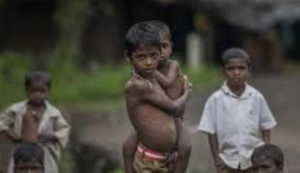
The National Family Health Survey-6 (NFHS-6) for 2023-24 records high levels of child malnutrition in Madhya Pradesh. The survey uses standard indicators such as wasting, underweight, stunting, exclusive breastfeeding, and minimum acceptable diet for children aged six to 23 months.
Key Child Nutrition Indicators
Wasting refers to low weight for height and is used as an indicator of acute malnutrition. In Madhya Pradesh, wasting rose from 18.9% in NFHS-5 to 23.8% in NFHS-6, and the state ranks highest in India on this indicator. The national average for wasting is 19% in NFHS-6.
Underweight and Stunting
Underweight refers to low weight for age, and stunting refers to low height for age. Madhya Pradesh recorded 39.7% underweight children in NFHS-6, up from 33% in NFHS-5, and it ranks second in India after Jharkhand, which recorded 41.1%. Stunting in Madhya Pradesh stands at 31.4% in NFHS-6, compared with 35.7% in NFHS-5.
Infant and Young Child Feeding
Exclusive breastfeeding for the first six months is 56.4% in Madhya Pradesh in NFHS-6, down from 74% in the previous survey. Only 12% of children aged six to 23 months receive a minimum acceptable diet in the state. Rural areas of Madhya Pradesh record 42% underweight children and nearly one-fourth children with wasting.
Important Facts for Exams
- NFHS stands for National Family Health Survey, and it is a large-scale household survey used for health and nutrition indicators in India.
- Wasting measures low weight for height, underweight measures low weight for age, and stunting measures low height for age.
- Jharkhand recorded 41.1% underweight children in NFHS-6, the highest among Indian states in this category.
- Minimum acceptable diet is a standard infant and young child feeding indicator used for children aged six to 23 months.
Related Public Health Context
Madhya Pradesh also faces a double burden of malnutrition, with undernutrition among children and obesity among adults. Institutional deliveries and vaccination coverage have improved in the state, while nutrition programmes such as Yashoda and Poshan have faced delays and budget cuts.
| Related | |
|---|---|