Keralam Plans Statewide Child Vulnerability Mapping
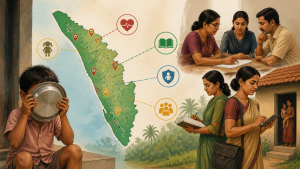
Keralam’s Women and Child Development Department plans statewide mapping to identify children living in conditions that put their health, education or safety at risk. The decision was taken at a meeting convened by Minister for Women and Child Development Bindhu Krishna on October 23, 2026, after the suspected malnutrition-related death of a two-year-old child in Alappuzha on October 18.
Child protection framework
District Women and Child Development Officers will be responsible for ensuring the safety and rehabilitation of identified children, with support from Local Self-Government, Health and Police departments. The action plan provides for coordination among departments and regular meetings of child protection and welfare committees at district and village levels. District child protection officers are to seek higher-level intervention when obstacles arise in rescuing children.
Social investigation reports are to be submitted to Child Welfare Committees within a time-bound period. Individual care plans are to be prepared for every child in a care institution. The plan states that lack of cooperation from parents should not end steps taken to protect a child.
Care, rehabilitation and monitoring
Follow-up is to continue after a child’s rehabilitation. Anganwadi workers, Integrated Child Development Services supervisors and psychosocial counsellors will track children’s nutrition and growth, with urgent intervention where malnutrition or neglect is found. The mapping and follow-up arrangements cover children’s care, protection and rehabilitation.
Statutory and community institutions
The Juvenile Justice (Care and Protection of Children) Act, 2015 provides the legal framework for children in conflict with law and children in need of care and protection. Section 27 of the Act provides for a Child Welfare Committee for each district. A committee deals with cases involving children in need of care and protection under the Act.
Integrated Child Development Services is delivered through Anganwadi centres and includes supplementary nutrition and growth monitoring for children. Anganwadi workers are community-level frontline workers who deliver services to children and mothers.
Important Facts for Exams
- The Juvenile Justice (Care and Protection of Children) Act, 2015 defines a child as a person who has not completed 18 years of age.
- Section 27 of the Juvenile Justice Act provides for the constitution of Child Welfare Committees for districts.
- Integrated Child Development Services includes supplementary nutrition and growth monitoring for children.
- Keralam’s mapping plan assigns district Women and Child Development Officers responsibility for children’s safety and rehabilitation.
The plan calls for continued monitoring of children’s nutrition and growth after rehabilitation.
| Related | |
|---|---|