Japan’s H3 Rocket Returns With Low-Cost Variant
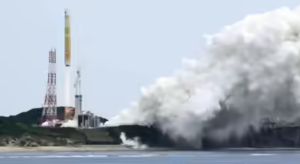
Japan’s H3 rocket returned to flight on 12 June 2026 from the Tanegashima Space Center in Kagoshima Prefecture with the debut of its low-cost “30 configuration”. The mission, called Flight 6, used three liquid-fuel LE-9 engines and no solid rocket boosters. The second stage reached the targeted orbit, and six small satellites developed by universities and other organisations were believed to have separated successfully.
H3 Rocket Configuration
The H3 is Japan’s flagship launch vehicle and is co-developed by the Japan Aerospace Exploration Agency and Mitsubishi Heavy Industries. The “30 configuration” is a variant designed with three LE-9 engines and no solid rocket boosters. The H3 family includes multiple configurations for different payload requirements and launch costs.
Flight History and Mission Profile
Flight 6 followed two previous mission failures in the H3 programme. The most recent failure occurred in December 2025 during Flight 8, when the rocket failed to place a navigation satellite into orbit because of a defect in the satellite mount. The June 2026 launch was originally scheduled for 10 June 2026 and was postponed because of adverse weather forecasts.
Japan’s Launch Vehicle Programme
The H3 rocket is intended to support Japan’s access to space for satellites, scientific payloads, and commercial missions. JAXA has stated a goal of launching H3 six to eight times annually. The programme is linked to Japan’s wider launch-vehicle development, which includes liquid-fuel propulsion and future reusable rocket concepts.
Important Facts for Exams
- The H3 rocket is Japan’s next-generation launch vehicle developed by JAXA and Mitsubishi Heavy Industries.
- The LE-9 is a liquid-fuel rocket engine used in the H3 programme.
- Tanegashima Space Center is located in Kagoshima Prefecture, Japan.
- Flight 6 marked the return of the H3 rocket after earlier mission failures.
The H3 rocket programme aims to improve cost-effectiveness and international competitiveness in the global space launch market. The mission also carried small satellites developed by universities and other organisations.
| Related | |
|---|---|