India’s Exports Surge in October 2024
Key Export Sectors
Engineering goods led the charge with a 39.4% increase. Electronic goods followed closely, showing a staggering 45.7% growth. Chemicals also performed well, rising by 27.4%. Drugs and pharmaceuticals saw an 8.2% increase, indicating steady demand.
Agricultural Export Highlights
Agricultural exports thrived particularly rice, which surged by 85.8%, which followed the government’s decision to lift rice export restrictions. Other agricultural products like cashews (7.2%), fruits and vegetables (15.9%), tea (9.3%), and spices (30.9%) also reported important growth.
Labour-Intensive Sector Performance
Labour-intensive sectors showed strong export performance. Readymade garments increased by 35.1%. Handicrafts rose by 32.7%, and leather products grew by 12.3%. However, ceramic products and glassware experienced a decline of 6.1%.
Import Trends
Imports of gold fell by 1.4%, and imports of precious stones dropped by 29%. Electrical goods imports remained positive but slowed to 8.7%. Conversely, vegetable oil imports surged by 50.9%, reversing the previous month’s decline.
Overall Export Growth
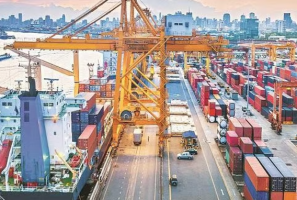
India’s total merchandise exports reached $39.2 billion in October, marking a 17.3% year-on-year increase. This growth represents the fastest rate in 28 months. Services exports also grew, increasing by 14.6% in September.
Services Trade Surplus
India’s services trade surplus expanded to 16.1 billion in September. This figure represents an increase from 13.8 billion in September 2023. The surplus is the highest recorded since January 2024.
Important Facts for Exams:
- CRISIL: CRISIL is a global analytical company based in India. It provides ratings research risk and policy advisory services. The firm is a subsidiary of S&P Global Inc.
- Merchandise Exports: Merchandise exports refer to the sale of physical goods to foreign countries. They are important component of a nation’s economy and trade balance.
- Labour-Intensive Sectors: Labour-intensive sectors rely heavily on human labour rather than capital. They often include textiles garments and handicrafts. These sectors are vital for job creation in developing economies.
| Related | |
|---|---|