India Permits Wheat Exports After Four-Year Ban
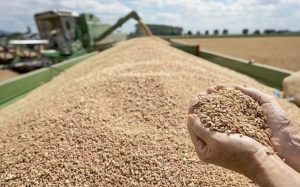
India permitted limited wheat exports in 2026 after a ban that began on 13 May 2022. The government approved 2.5 million tonnes of wheat and 0.5 million tonnes of wheat products on 13 February 2026, and later allowed an additional 2.5 lakh tonnes of wheat exports on 20 April 2026.
Wheat Export Policy
India’s wheat export policy formally remains under the “prohibited” category, but the recent authorisations allow limited commercial exports through designated channels and inter-governmental arrangements. The earlier ban was imposed in May 2022 because of food security concerns, a smaller harvest, and rising inflation.
Production and Domestic Availability
India’s wheat production for the 2025-26 crop year is projected at 120.2 million tonnes, which is a record estimate. The higher output is linked to increased acreage and favourable weather conditions. As of 1 April 2026, wheat availability in the central pool of the Food Corporation of India is projected at around 18.2 lakh tonnes.
Export Quantities and Import Interest
The total permitted wheat export quantity has reached 5 lakh tonnes, while wheat products have been permitted up to 1 lakh tonnes. Egypt, Indonesia, Myanmar, and Bangladesh have expressed interest in importing wheat from India after the relaxation of the export ban.
Important Facts for Exams
- The Food Corporation of India is the central agency for procurement, storage, and distribution of foodgrains in India.
- India is one of the world’s largest producers of wheat, a rabi crop sown in winter and harvested in spring.
- The central pool refers to foodgrain stocks held by the Union government for the Public Distribution System and other welfare needs.
- Wheat exports from India are often regulated through government notifications, quotas, and inter-governmental trade arrangements.
Crop Year and Trade Context
The 2025-26 wheat crop year covers the period used for official agricultural estimates and procurement planning. Limited exports of wheat and wheat products are linked to domestic stock levels, market prices, and food security requirements.
| Related | |
|---|---|