India-Germany Submarine Deal Nears Finalisation
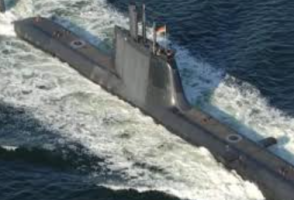
India and Germany are nearing finalisation of a multi-billion-dollar submarine cooperation agreement for six HDW Class 214 submarines under Project 75-I. The proposed deal is valued at about $8 billion and includes technology transfer for local construction in India.
Project 75-I and HDW Class 214
Project 75-I is an Indian Navy submarine procurement programme for six conventional submarines with modern combat and endurance features. The HDW Class 214 is a diesel-electric submarine class developed in Germany and used by several navies for underwater operations.
Technology Transfer and Local Construction
The agreement includes construction of the submarines in India by Mazagon Dock Shipbuilders in partnership with Thyssenkrupp Marine Systems. The transfer package includes Air-Independent Propulsion systems, which allow conventional submarines to remain submerged for longer periods without surfacing for air.
Delivery Timeline and Industrial Features
The first submarine is expected about seven years after contract signing. Initial steel cutting at Mazagon Dock Shipbuilders may begin by late 2026, and trials for the first vessel are projected for 2031.
Important Facts for Exams
- Air-Independent Propulsion is a submarine technology used in conventional submarines to extend submerged endurance.
- Mazagon Dock Shipbuilders is a major Indian shipyard based in Mumbai and is involved in naval vessel construction.
- Thyssenkrupp Marine Systems is a German defence company that designs and builds submarines.
- Project 75-I is one of India’s major submarine acquisition programmes for the Indian Navy.
Strategic Procurement Context
The proposed agreement is among India’s largest defence contracts and involves a foreign original equipment manufacturer with Indian industrial participation. Germany has not previously agreed to transfer such comprehensive submarine-building technology to a country outside its European allies.
| Related | |
|---|---|