e-KYC Made Mandatory for Ration Purchase Under CBDC Scheme
e-KYC registration has been made mandatory for beneficiaries of the Pradhan Mantri Garib Kalyan Anna Yojana in Puducherry for ration purchase under the Central Bank Digital Currency scheme from 26 February 2026. The scheme uses the digital currency e₹ for food subsidy delivery and replaces the earlier Direct Benefit Transfer-Cash model in the Union Territory.
Central Bank Digital Currency
Central Bank Digital Currency is a digital form of sovereign currency issued by a central bank. In India, the digital currency is called e₹ and is issued through the Reserve Bank of India.
Features of the Puducherry Pilot
The Puducherry pilot project for CBDC-based food subsidy distribution began on 26 February 2026. Beneficiaries receive an e-wallet that remains valid for three months from the date of issuance. The digital currency can be used only for buying rice and other foodgrains at Fair Price Shops and authorised merchant outlets.
e-KYC and Public Distribution System Rules
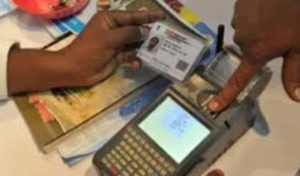
Beneficiaries who have not completed e-KYC are required to visit Common Service Centres with Aadhaar and ration cards. The e-KYC process at these centres is completed free of cost. The Centre has also mandated e-KYC for all ration card holders every five years under the Targeted Public Distribution System (Control) Amendment Order, 2025, which came into force on 22 July 2025.
Important Facts for Exams
- Pradhan Mantri Garib Kalyan Anna Yojana is a food security scheme linked to the Public Distribution System.
- Fair Price Shops are retail outlets that distribute subsidised foodgrains under the Public Distribution System.
- Common Service Centres provide digital public services at the village and local level in India.
- Central Bank Digital Currency is different from cryptocurrency because it is issued by a central bank.
Expansion Plan
The CBDC-based food subsidy pilot is planned for expansion from Gujarat and Puducherry to Chandigarh, Dadra and Nagar Haveli, and Daman and Diu by June 2026. The digital coupons for the scheme are generated by the Reserve Bank of India.
| Related | |
|---|---|