
ASI Finds Ancient Inscriptions in Nallamala Tiger Reserve
The Epigraphy Branch of the Archaeological Survey of India documented and copied 25 ancient inscriptions in the Nallamala Tiger Reserve Forest as part of an epigraphical survey completed on 13 June 2026. The inscriptions span nearly 1,400 years, from the 2nd century CE to the 16th century CE, and include records in Telugu, Kannada, Prakrit, and Brahmi script.
Epigraphy and Inscriptions
Epigraphy is the study of inscriptions engraved on durable materials such as stone, metal, and rock surfaces. In India, inscriptions are used to study dynastic history, language change, religious patronage, land grants, and administrative practices.
- Eight Telugu inscriptions from the 7th to 16th centuries CE were copied on 11 June 2026 from villages including Gangaram Penta, Meetonta, Palitla, Ponnalabavi, and Jillalapadugu.
- Ten inscriptions in Kannada and Telugu scripts were documented on 12 June 2026 and were linked to the Kalyani Chalukya, Potapi Chola, Kakatiya, and Vijayanagara periods.
- Seven more inscriptions were found on 13 June 2026, including rare Satavahana records in Prakrit language and Brahmi script.
Rock Art in the Krishna River Basin
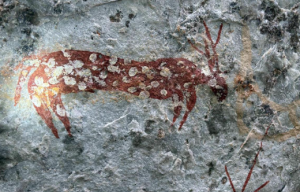
Ancient rock art was identified near Alatam on the banks of the Krishna River inside the Nallamala Tiger Reserve. The rock art includes megalithic and early historic paintings, and preliminary assessment places it at about 1500 BCE. Rock art in India includes paintings, engravings, and petroglyphs found on rock shelters, cliffs, and boulders. The Krishna River basin has several archaeological sites associated with prehistoric and early historic human activity.
Dynasties and Scripts Mentioned in the Survey
The survey recorded material linked to the Satavahana, Eastern Chalukya, Reddy, Kalyani Chalukya, Potapi Chola, Kakatiya, and Vijayanagara periods. Brahmi is one of the earliest scripts used in the Indian subcontinent, and Prakrit was widely used in early inscriptions across ancient India.
Important Facts for Exams
- The Archaeological Survey of India was established in 1861.
- Brahmi script is associated with some of the earliest inscriptions in India.
- Satavahana inscriptions are important sources for Deccan history and early Indian polity.
- Rock art is classified into prehistoric, megalithic, and early historic phases in Indian archaeology.
The Nallamala Tiger Reserve lies in the Eastern Ghats and covers forest areas in Andhra Pradesh and Telangana. The Krishna River is one of the major rivers of peninsular India and has several archaeological sites along its basin.
| Related | |
|---|---|



P RAMACHANDRA RAO
June 15, 2026 at 8:24 amIt’s thrilling indeed..great work