Araku Old Seed Festival Promotes Tribal Biodiversity
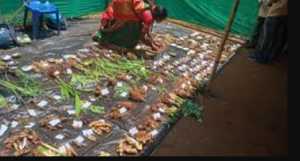
The 17th annual Old Seed Festival held in Killoguda village of the Araku region in Andhra Pradesh highlighted the importance of conserving indigenous seed diversity and strengthening natural farming practices. Organised by the Sanjeevini organisation, the event brought together Adivasi farmers, researchers, environmentalists, and civil society representatives to celebrate traditional agriculture and tribal biodiversity.
Farmers Showcase Indigenous Seed Diversity
Farmers from Araku, Rampachodavaram, the Nilgiris in Tamil Nadu, and Koraput in Odisha participated in the festival by displaying a wide variety of traditional seeds. These included millet, pulses, tubers, and several local crop varieties adapted to tribal farming systems.
The event began with a village procession where participants carried preserved seed varieties, symbolising the importance of protecting native crops. Traditional drum performances and Dhimsa dances added cultural significance to the gathering.
Special Focus on Tuber Seed Conservation
A major attraction of the festival was the exhibition of 80 varieties of tuber seeds presented by farmers from Gondivalasa village in Dumbriguda mandal. The display attracted strong attention from visitors and agricultural experts.
Farmers explained methods of seed preservation, cultivation practices, and the climate resilience of indigenous crops. Traditional tuber varieties are considered highly valuable because they require fewer external inputs and are better suited to local ecological conditions.
Recognition for Farmers and Support for Natural Farming
T. Baburao Naidu, Executive Director of the Rythu Sadhikara Samstha, visited the exhibition stalls and interacted with farmers regarding seed quality and cultivation methods. In the seed exhibition competition, Sukri from Gondivalasa, Manikanta from Tamil Nadu, and Pratik Mori from Maharashtra were felicitated for their contributions.
Representatives from various organisations and research institutions praised Sanjeevini for its 17 years of work in preserving indigenous seeds and promoting sustainable farming in tribal regions.
Important Facts for Exams
- Dhimsa is a traditional tribal dance performed mainly by Adivasi communities in the Araku Valley region of Andhra Pradesh.
- Koraput in Odisha is known for its rich agrobiodiversity and traditional millet cultivation.
- Araku Valley is famous for organic coffee cultivation and tribal farming systems.
- Indigenous seed conservation supports climate resilience, food security, and biodiversity protection.
Demand for Institutional Recognition
Participants at the festival called for stronger institutional support and formal recognition of organic farming clusters in the Araku region. They emphasised that tribal farming systems preserve ecological balance while also supporting livelihoods.
Experts noted that promoting indigenous agriculture can reduce dependence on chemical farming and strengthen sustainable rural development. The festival served as both a cultural celebration and a policy reminder of the need to protect traditional agricultural knowledge in tribal India.
| Related | |
|---|---|