Rashtriya Bal Swasthya Karyakram Revamped for Lifestyle Diseases
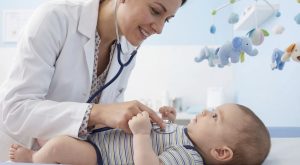
The Union Health Ministry rolled out the revised Rashtriya Bal Swasthya Karyakram (RBSK 2.0) guidelines in New Delhi on 3 May 2026. The programme covers children from birth to 18 years and includes preventive, promotive, and curative care under a single framework.
RBSK and the 4Ds Framework
The Rashtriya Bal Swasthya Karyakram was launched in 2013 under the National Health Mission. The earlier framework focused on the “4Ds”, which are defects at birth, diseases, deficiencies, and developmental delays. RBSK 2.0 expands this framework to include mental health conditions, behavioural issues, and risk factors for non-communicable diseases such as diabetes and hypertension. The revised scope also covers obesity and early diabetes risk among children.
Screening and Delivery Mechanism
Screening under the programme continues through Mobile Health Teams. These teams conduct screening at Anganwadi centres for children aged 0-6 years and in schools for older children. The programme uses a nationwide network of 451 District Early Intervention Centres for free treatment and follow-up care. The revised guidelines retain universal outreach through child health screening at community and school levels.
Digital Features in RBSK 2.0
The updated guidelines introduce digital health cards, real-time data systems, and integrated platforms for tracking children with identified health conditions. These tools are part of the programme’s digitalisation framework. The revised system supports monitoring of children across screening, referral, treatment, and follow-up stages. It also links identified cases with intervention centres for continued care.
Important Facts for Exams
- Rashtriya Bal Swasthya Karyakram was launched in 2013 under the National Health Mission.
- RBSK covers children from birth to 18 years.
- The earlier RBSK framework is known as the “4Ds” approach.
- More than 160 crore screenings have been conducted under the programme since its inception.
The revised RBSK 2.0 guidelines were issued in New Delhi on 3 May 2026. The programme now includes screening for mental health conditions and non-communicable disease risk factors in children.
| Related | |
|---|---|