Pakistan Hosts Makkah Defence Alliance Meeting
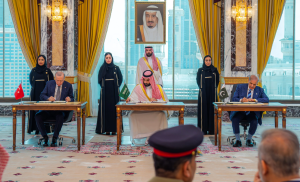
Pakistan hosted the third session of the Makkah Defence Alliance’s Strategic Political and Defence Committee (SPDC) in Islamabad on 27 November 2026. Foreign and defence ministers and senior military leaders, including army chiefs, from Pakistan, Saudi Arabia and Turkiye attended. Participants included Pakistan’s Deputy Prime Minister and Foreign Minister Ishaq Dar, Saudi Defence Minister Prince Khalid bin Salman and Turkish Foreign Minister Hakan Fidan.
Defence pact and regional security
Discussions covered regional security, including Houthi militia attacks on Saudi Arabia. The three countries condemned attacks on civilians and infrastructure and reaffirmed the Makkah Joint Defence Agreement, signed in Mecca on 7 August 2026. It treats an armed attack on one member as an attack on all.
The agenda included practical implementation: standard operating procedures, coordination among political, defence and military institutions, intelligence-sharing and air-defence cooperation. The SPDC reviewed plans to establish and operationalise the alliance’s permanent General Secretariat in Riyadh. Retired Pakistani Lieutenant General Nauman Mahmood was appointed its first secretary-general for a three-year term.
Turkiye completed ratification on 27 November, when President Recep Tayyip Erdogan’s final approval was published in the Official Gazette. The Turkish Parliament had approved the agreement on 5 November. Islamabad declared a public holiday and Rawalpindi a local holiday for the meeting; special movement restrictions were also imposed.
Important Facts for Exams
- Mutual-defence obligation: The Makkah Joint Defence Agreement follows the defence-pact model: signatories promise mutual military support and defence, and prepare responses together.
- Alliance and collective security: Military alliances have traditionally advanced their parties’ national interests through joint action in war; collective security arrangements are directed against aggression.
- Air-defence components: The alliance’s air-defence cooperation can involve more than weapons: air defence also includes associated sensor systems and command-and-control arrangements.
| Related | |
|---|---|