Oxford Returns Remains of 39 Naga People to India
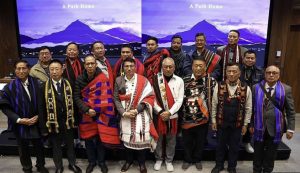
The University of Oxford’s Pitt Rivers Museum returned the ancestral remains of 39 Naga people to community representatives on 9 November 2026. The handover took place at the museum in Oxford, United Kingdom, and was attended by nearly 30 Naga representatives who travelled from Nagaland.
Repatriation and planned burial
The remains, primarily skulls, had been taken during British colonial rule between 1910 and 1940. The transfer of title was signed by museum director Professor Laura Van Broekhoven and Forum for Naga Reconciliation representative Rev. Dr Wati Aier. Visier Sanyu and Thejao Vihienuo, representing the Forum and the Naga Tribe Hoho respectively, witnessed the agreement. Vihienuo is also president of the Angami Public Organisation.
The six-year, community-led process began in 2020. Oxford University Council approved the return on 13 July 2026, following a formal request by a Naga delegation that visited Oxford in June 2025. The remains have begun their journey to Nagaland and are to be buried at a joint memorial site in Naga Solidarity Park, Kohima.
Pitt Rivers Museum
The museum holds more than 6,000 Naga cultural objects. It removed all human remains from public display in 2020 as part of efforts to address its colonial legacy. University Vice-Chancellor Professor Irene Tracey described the return as a moment for reconciliation, healing and peace between the university and the Naga people.
Important Facts for Exams
- Typological displays: The Pitt Rivers Museum arranges objects by use, displaying historical and regional variations within types rather than organising them by age or origin.
- Gift condition: Augustus Pitt Rivers made his collection donation conditional on Oxford appointing a permanent anthropology lecturer, linking the gift to university teaching.
- Collection provenance: The museum’s collection has grown beyond 600,000 items, with nearly all acquired through donations from colonial officials, travellers, scholars and missionaries.
- Community consultation: The Pitt Rivers Museum meets originating communities to address errors and gaps in its records and discuss repatriation.
| Related | |
|---|---|