Oxford and Serum Partner for New Malaria Vaccine
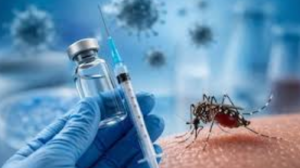
The University of Oxford and the Serum Institute of India (SII) have signed a licensing agreement to develop and manufacture R78C, a next-generation malaria vaccine candidate. The partnership is expected to strengthen global efforts against malaria, a disease that continues to cause high mortality, especially among children in sub-Saharan Africa. Scientists believe R78C could offer stronger and longer-lasting protection by targeting multiple stages of the malaria parasite’s lifecycle.
What Is the R78C Malaria Vaccine
R78C is being developed to target Plasmodium falciparum, the parasite responsible for the most severe malaria infections. Unlike earlier vaccines that mainly focus on a single stage of infection, R78C is based on two blood-stage antigens, RIPR and CyPRA, allowing it to attack the parasite during multiple stages.
This multi-stage strategy aims to produce a stronger immune response, reduce disease severity and lower the chances of transmission. It represents a significant scientific shift in malaria vaccine development.
Why the Oxford–Serum Partnership Matters
The involvement of the Serum Institute of India is important because of its large-scale manufacturing capacity and global distribution network. SII is the world’s largest vaccine manufacturer by volume, which increases the possibility of affordable production and wider access if the vaccine succeeds.
The partnership also builds on earlier collaboration between Oxford and SII, including the WHO-recommended R21/Matrix-M malaria vaccine. The focus remains not only on innovation but also on equitable vaccine access for low-income countries where malaria is most common.
How R78C Differs from Existing Vaccines
Current malaria vaccines such as R21/Matrix-M mainly target the sporozoite stage, when the parasite first enters the human body. Clinical trials have shown that R21 can reduce malaria cases by around 75 percent in some settings.
R78C, however, targets the blood stage, when symptoms become severe and the disease becomes dangerous. Researchers believe combining such multi-stage vaccines could improve long-term protection and help overcome limitations like waning immunity.
Important Facts for Exams
- The World Health Organization recommended the R21/Matrix-M malaria vaccine for children in malaria-endemic regions.
- Plasmodium falciparum is the deadliest malaria parasite and is transmitted by female Anopheles mosquitoes.
- Serum Institute of India is headquartered in Pune and is the world’s largest vaccine producer by volume.
- Malaria prevention also includes mosquito nets, indoor spraying and early diagnosis with treatment.
Next Steps in Development
The R78C vaccine is still in the research and clinical trial phase. The new agreement will help speed up trials, manufacturing readiness and future commercialisation if the vaccine proves effective.
Experts note that vaccine development requires preclinical studies, multiple phases of human trials and regulatory approvals before public use. If successful, R78C could become part of a broader next-generation malaria strategy, helping the world move closer to reducing and eventually eliminating malaria.
| Related | |
|---|---|