One-in-a-Million Yellow Burbot Found in New York
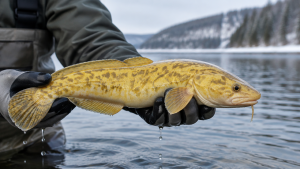
In November 2026, biologists from the U.S. Fish and Wildlife Service caught an exceptionally rare yellow burbot in Oswego Harbor on Lake Ontario, Upstate New York. The fish was found during a routine Aquatic Invasive Species Survey by the Lower Great Lakes Fish and Wildlife Conservation Office team.
Rare colouration and health assessment
The burbot’s yellow-orange colour is caused by xanthochromism, a rare genetic mutation that reduces dark pigmentation. Xanthochromism is less common in wild fish than albinism or melanism. The fish appeared emaciated and in poor health, so it was transferred to the Cornell University College of Veterinary Medicine for a comprehensive health analysis. Fish Biologist Jake Cochran was among the team members who displayed the fish.
Burbot in Oswego Harbor
Burbot numbers in Lake Ontario are extremely low, and the species typically inhabits deeper, cooler waters than those in the harbor. The catch was the first documented detection of a burbot during a fisheries survey in Oswego Harbor, although anglers had reported catches there previously.
Important Facts for Exams
- Taxonomic position: The burbot is the only freshwater species in the order Gadiformes, a group otherwise represented here by marine relatives.
- Chin barbel: A single barbel on the chin is a key identifying feature of the burbot.
- Benthic adaptation: The burbot’s small fins relative to its body indicate a benthic lifestyle and limited ability to withstand strong currents.
- Egg release: Burbot are broadcast spawners: they lack a specific nest and release eggs and sperm into the water to drift and settle.
| Related | |
|---|---|