Odisha Launches Bomkai Weaving Revival Drive
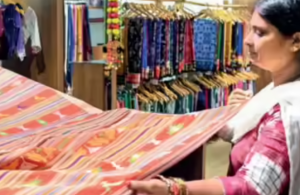
Odisha’s Handlooms, Textiles and Handicrafts department has launched a revival plan for the original Bomkai weaving tradition in Ganjam district. The project is titled Revival of Languishing Products (Cotton Bomkai Saree) and was approved by the state government in the last financial year.
Bomkai Weaving Tradition
Bomkai is a handwoven cotton saree tradition linked to Bomkai village in Ganjam district, Odisha. The craft is also associated with Subarnapur, which is known as another centre of Bomkai weaving. The Bomkai saree is recognised under India’s Geographical Indication Act.
Revival Plan and Training Measures
The revival plan includes documentation of traditional designs, motifs, and colour specifications of original Bomkai weaves. It also includes training a new generation of artisans in the original weaving technique. A five-day orientation programme was conducted in Bomkai village by the department in coordination with the State Agency for Development of Handloom Clusters. The programme collected details of existing weaving practices and the difficulties faced by current weavers.
Weavers and Local Craft Base
As of 23 May 2026, only two weaving families, those of Keshab Nayak and Sushanta Kumar Nayak, continued the original Bomkai weaving tradition in Bomkai village. The project plans to involve weavers from surrounding villages in Ganjam district because the village has a shortage of younger artisans.
Important Facts for Exams
- Bomkai is a traditional handwoven saree from Odisha and is linked to Ganjam district.
- The Bomkai saree has Geographical Indication status under the Geographical Indications of Goods Act, 1999.
- Handloom crafts in India are often supported through state departments and cluster-based development agencies.
- Subarnapur is another important centre associated with Bomkai weaving.
Craft Decline and Support Issues
Migration of young people from Bomkai village to other states for work and business has reduced the number of practising weavers. The craft has survived with only a few families in its birthplace, Bomkai village, in Ganjam district.
| Related | |
|---|---|