Marathi Rule for Auto Drivers Sparks Maharashtra Row
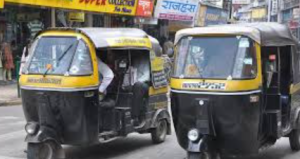
A fresh controversy has emerged in Maharashtra over the enforcement of a rule mandating autorickshaw drivers to know Marathi. The state government has announced strict implementation of the provision from May 1, 2026, triggering protests from driver unions and opposition parties. The debate has brought language, employment, and regional identity issues back into focus.
Government Justifies Mandatory Marathi Rule
The Maharashtra government has reiterated that autorickshaw drivers must be able to speak and understand Marathi to ensure smooth communication with passengers. Authorities argue that language barriers often lead to disputes and inconvenience for commuters. The rule, first introduced in 2019, is now set for strict enforcement, with officials stressing the need for complete compliance.
Licence Cancellation Clause Raises Concerns
A key point of contention is the provision allowing cancellation of licences for non-compliance. Drivers who fail to meet the language requirement risk losing their permits. The move has created anxiety among thousands of drivers, particularly those from non-Marathi-speaking backgrounds, who fear loss of livelihood.
Political Reactions and Union Opposition
The issue has escalated politically, with sharp reactions from opposition leaders and labour unions. Critics have termed the rule discriminatory, alleging that it targets migrant workers, especially those from North India. Concerns have also been raised about statements by political leaders warning of strict action against violators, which some view as encouraging vigilantism.
Important Facts for Exams
- Language-based regulations often relate to state identity and administrative convenience.
- Maharashtra introduced the Marathi requirement for drivers in 2019.
- Autorickshaws are regulated under state transport laws.
- Mumbai is a multilingual metropolitan city with a large migrant workforce.
Socio-Economic and Law-and-Order Implications
The rule could significantly impact migrant workers, who form a large share of autorickshaw and taxi drivers in Maharashtra. Demands have emerged for a transition period to allow drivers to learn Marathi. Additionally, reports of threats linked to the controversy have raised law-and-order concerns. The development highlights the recurring role of language in regional politics, especially ahead of key elections, where identity and employment issues often dominate public discourse.
| Related | |
|---|---|