Maharashtra Approves Compressed Biogas Policy 2026
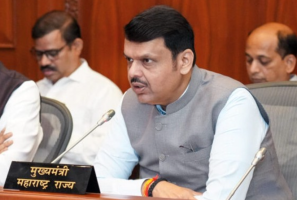
Maharashtra approved the Compressed Biogas (CBG) Policy, 2026, on 22 April 2026, and the policy was officially released on 5 May 2026. The Maharashtra Cabinet approved it under Chief Minister Devendra Fadnavis, and the policy provides ₹500 crore for 2026-27.
Compressed Biogas and Feedstock
Compressed biogas is a renewable fuel produced from organic waste through anaerobic digestion and purification. The Maharashtra policy covers urban waste and agricultural residue, and the state generates about 24,500 metric tonnes of municipal solid waste every day and more than 20 million metric tonnes of agricultural residue annually.
Policy Design and Implementation
The policy aims to establish compressed biogas projects in every district of Maharashtra. It provides for implementation through Public-Private Partnership and hybrid annuity models, and it requires source segregation of waste into organic and inorganic categories. Each CBG project must process at least 200 tonnes of segregated organic waste per day. A steering committee chaired by the Chief Secretary will oversee implementation, and district-level coordination committees will also function under the policy framework.
Financial Support and Incentives
The policy includes Viability Gap Funding of up to ₹75 lakh per tonne of capacity, with a ceiling of ₹15 crore per project. It also provides priority electricity and water supply to biogas units and a 2.5% refund on State Goods and Services Tax after production begins. Land allocation will be cancelled if a project does not become operational within two years. The policy uses fiscal support and time-bound conditions for project execution.
National Linkages
The policy aligns with SATAT, GOBARdhan, and the Swachh Bharat Mission. These programmes relate to compressed biogas, waste-to-energy systems, and solid waste management in India.
Important Facts for Exams
- Compressed biogas is a purified form of biogas and is used as a transport and industrial fuel.
- Viability Gap Funding is a financial support mechanism used for infrastructure projects with funding gaps.
- Public-Private Partnership is a model in which government and private entities share project responsibilities.
- Source segregation of waste is a basic requirement in many municipal solid waste management systems in India.
Exam Notes
Maharashtra’s policy links waste management with renewable energy generation. The policy also connects with India’s 2070 Net-Zero target.
| Related | |
|---|---|