India Achieves PFBR Criticality, Enters Nuclear Second Stage
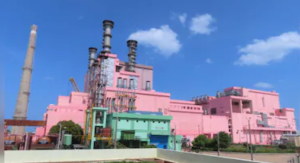
India has reached a significant milestone in its nuclear energy programme with the successful attainment of first criticality of its indigenously built Prototype Fast Breeder Reactor (PFBR) at Kalpakkam, Tamil Nadu, on 6 April 2026. Developed by Bharatiya Nabhikiya Vidyut Nigam Limited (BHAVINI), the 500 MWe reactor marks the beginning of a sustained nuclear chain reaction and formally signals India’s transition into the second stage of its three-stage nuclear power strategy envisioned by Homi Jehangir Bhabha.
India’s Three-Stage Nuclear Strategy
India’s nuclear programme is uniquely designed to optimise its limited uranium and abundant thorium resources. The first stage involves Pressurised Heavy Water Reactors (PHWRs) using natural uranium, producing plutonium as a by-product. The second stage utilises this plutonium in Fast Breeder Reactors (FBRs), such as the PFBR, which generate more fuel than they consume. The third stage aims to deploy thorium-based reactors using Uranium-233, ensuring long-term energy sustainability.
Significance of PFBR Technology
The PFBR represents a major technological advancement. It uses Uranium-Plutonium Mixed Oxide (MOX) fuel and operates with fast neutrons, enabling it to breed additional fissile material. Surrounded by a Uranium-238 blanket, the reactor produces Plutonium-239, effectively multiplying fuel resources. It is also designed to incorporate Thorium-232 in future, supporting the transition to the third stage. The closed fuel cycle ensures reprocessing and reuse of spent fuel, enhancing efficiency and reducing waste.
India’s Nuclear Power Landscape
India currently has an installed nuclear capacity of 8.78 GW, contributing about 3.1% to total electricity generation. With plans to expand capacity to 22.38 GW by 2031–32, nuclear energy is emerging as a key pillar of clean power. International cooperation agreements with 18 countries further strengthen India’s civil nuclear framework and technological collaboration.
What to Note for UPSC Prelims?
- PFBR at Kalpakkam is a 500 MWe fast breeder reactor.
- India has entered Stage 2 of its three-stage nuclear programme.
- Fast breeder reactors produce more fuel than they consume.
- Thorium-based reactors form the third stage of India’s nuclear strategy.
Future Roadmap and Nuclear Energy Mission
India’s long-term vision includes achieving 100 GW of nuclear capacity by 2047 under the Nuclear Energy Mission. The government has allocated ₹20,000 crore for Small Modular Reactor (SMR) development, with at least five units targeted by 2033. Institutions like Bhabha Atomic Research Centre are leading innovations, including advanced SMR designs. The SHANTI Act, 2025, further supports sectoral reforms by enabling regulated private participation, reinforcing India’s commitment to clean energy and its net-zero target by 2070.
| Related | |
|---|---|