Indian Polity & Constitution
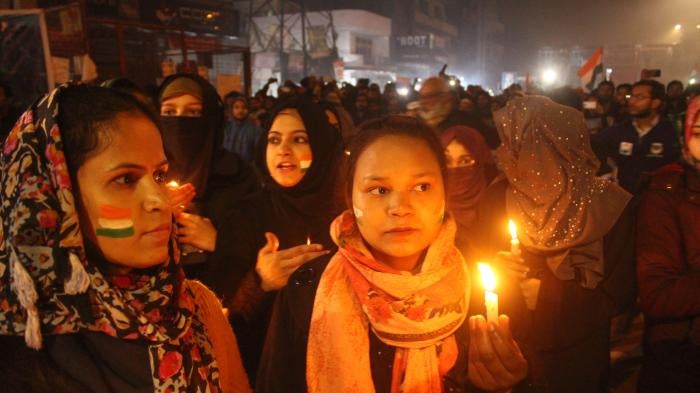
Deprivation of Citizenship in India
Citizenship in India is primarily governed by the Citizenship Act of 1955. This act outlines the legal framework for acquiring, terminating, and depriving citizenship. Deprivation of citizenship refers...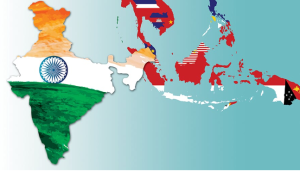
Act East Policy
The Act East Policy is an initiative of the Government of India to strengthen economic and strategic relations with the nations of Southeast Asia. It is a successor...
2G Spectrum Case
The 2G spectrum case, also known as the 2G spectrum scam or the 2G telecom scam, was a major political and corruption scandal in India that came to...
15th Finance Commission
The 15th Finance Commission, constituted by the President of India in November 2017, is a constitutional body established under Article 280 of the Indian Constitution. Its primary task...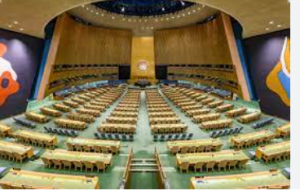
United Nations General Assembly (UNGA)
The United Nations General Assembly (UNGA) is one of the six principal organs of the United Nations (UN) and serves as the main deliberative, policymaking, and representative body...
Ministry of External Affairs (MEA)
The Ministry of External Affairs (MEA) is the central government agency responsible for conducting and managing India’s foreign relations and diplomatic affairs. It is headed by the Minister...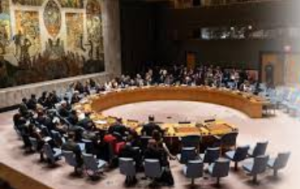
United Nations Security Council (UNSC)
The United Nations Security Council (UNSC) is one of the six principal organs of the United Nations (UN), responsible for maintaining international peace and security. It was established...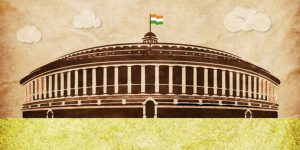
Rajya Sabha
The Rajya Sabha, officially known as the Council of States, is the upper chamber of the Parliament of India, functioning alongside the Lok Sabha, the lower chamber. It...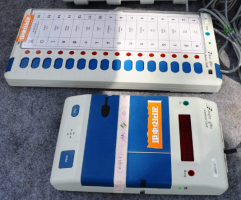
Electronic Voting Machines
Electronic Voting Machines (EVM) was first used in 1982 in the by-election to Parur Assembly Constituency of Kerala for a limited number of polling stations (50 polling stations)....
Ministry of Corporate Affairs (MCA)
The Ministry of Corporate Affairs (MCA) is a ministry of the Government of India responsible for administering the Companies Act of 2013, the Limited Liability Partnership Act of...
Cabinet Committee on Economic Affairs (CCEA)
The Cabinet Committee on Economic Affairs (CCEA) is a high-level committee of the Union Cabinet of India, chaired by the Prime Minister. The committee is responsible for making...