India Targets Blood Centre in Every District
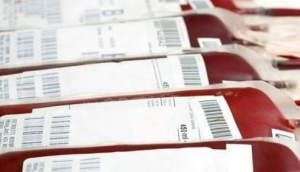
India has set a national goal of establishing at least one blood centre in every district by December 2026 to ensure timely access to safe blood and reduce transfusion-related risks. The Health Ministry reviewed blood transfusion services across states and Union Territories and found that nearly 10 per cent of districts still do not have a blood centre, highlighting major infrastructure and service delivery gaps.
Why the Review Was Conducted
The Ministry of Health and Family Welfare conducted a national-level review of blood transfusion services through a video conference with states and Union Territories. The assessment covered five key stages: licensing and renewal, donor screening and blood collection, testing for transfusion-transmitted infections (TTIs), processing and storage, and reporting and record-keeping. Performance was measured using 10 key performance indicators based on data from eRaktKosh, BBMS and CDSCO.
Major Gaps Identified in Blood Services
The review found significant gaps in district-level blood centre availability, licensing compliance and digital integration. Many blood centres are still not connected to eRaktKosh and the Blood Bank Management System (BBMS), reducing real-time monitoring and transparency. Variations were also seen in voluntary blood donation rates, blood component separation capacity and referral systems for donors found positive for transfusion-transmitted infections.
Government’s Priority Actions for 2026
Dr Rakesh Gupta, Additional Secretary (Public Health) and Director General of the National AIDS Control Organisation (NACO), stressed the goal of zero transfusion-transmitted infections and timely blood access in every district. Priority actions include ensuring 100 per cent licensing compliance, strengthening district-level administrative ownership, enforcing standard operating procedures for blood donation camps and expanding voluntary blood donation through awareness drives and structured outreach programmes.
Important Facts for Exams
- eRaktKosh is India’s online blood bank management and information system.
- NACO stands for National AIDS Control Organisation.
- TTIs refer to Transfusion-Transmitted Infections such as HIV, Hepatitis B and Hepatitis C.
- CDSCO is the Central Drugs Standard Control Organisation, India’s national drug regulatory authority.
Importance of Voluntary Blood Donation
The review also praised states that showed strong voluntary blood donation rates and effective referral systems for TTI-reactive donors. Voluntary blood donation remains the safest and most sustainable source of blood supply. Strengthening public trust, improving awareness and involving institutions such as colleges, workplaces and community groups will be essential to meet the December 2026 target and improve overall public health outcomes.
| Related | |
|---|---|