Important UNESCO Natural World Heritage Sites in India
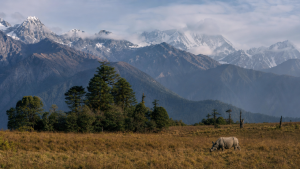
India has seven UNESCO Natural World Heritage Sites, ranging from Himalayan wilderness and riverine grasslands to wetlands, mangroves and biodiverse mountain forests. Their recognition reflects both their global ecological value and the importance of conserving these landscapes.
UNESCO Natural Heritage Framework
UNESCO recognises natural sites for values such as exceptional natural beauty, major stages in Earth’s history, important ecological processes and significant habitats for biological diversity. India’s seven natural sites illustrate this range through distinctive ecosystems and habitats for endangered and endemic species. The designation highlights the sites’ importance for conservation, research and environmental education. Their protection also raises practical questions about heritage conservation and sustainable tourism: visitor activity must be managed in ways that do not undermine the ecological values for which a site is recognised. International cooperation is relevant where ecosystems and conservation concerns extend beyond national boundaries.
Manas National Park
Located in Assam along the Himalayan foothills and bordering Bhutan, Manas includes tropical moist deciduous forests, alluvial grasslands and patches of evergreen forest. It is a UNESCO World Heritage Site and also functions as a Project Tiger Reserve, an elephant reserve and a biosphere reserve.
- Inscription: Manas was designated a UNESCO World Heritage Site in 1985.
- Danger List: It was placed on the List of World Heritage in Danger in 1992 because of heavy poaching and militant activities.
- Removal: Following conservation efforts, it was removed from the danger list on June 21, 2011.
- Wildlife: The park is a critical habitat for the Bengal tiger, Indian elephant, Indian rhinoceros and pygmy hog. Other notable species include the wild water buffalo, golden langur and Hispid hare.
The Manas example shows how conservation and improved security can support the recovery of a site’s protected status. Maintaining its biodiversity remains central to its heritage value.
Assam and Rajasthan: Grasslands and Wetlands
- Kaziranga National Park, Assam: Inscribed in 1985, it is famed for protecting the world’s largest population of the one-horned rhinoceros.
- Kaziranga’s ecosystem: Located along the Brahmaputra River, its wetlands, grasslands and forests also support Bengal tigers, wild water buffalo and swamp deer.
- Keoladeo National Park, Rajasthan: Formerly known as Bharatpur Bird Sanctuary, it was inscribed in 1985 and is a man-made wetland ecosystem.
- Migratory birds: Keoladeo is an important wintering ground for thousands of birds migrating from regions including Afghanistan, Turkmenistan, China and Siberia.
Together, these sites show the variety of natural habitats represented on India’s World Heritage list. Kaziranga’s riverine grasslands and wetlands contrast with Keoladeo’s managed wetland landscape, while both support significant wildlife and birdlife.
Himalayan Heritage Sites
- Nanda Devi and Valley of Flowers National Parks, Uttarakhand: Nanda Devi was designated in 1988, and the Valley of Flowers was added in 2005.
- High-altitude habitats: The sites are known for mountain wilderness, the Nanda Devi landscape and the Valley of Flowers’ alpine meadows. They provide habitat for the snow leopard, Himalayan musk deer and endemic alpine flowers.
- Great Himalayan National Park Conservation Area, Himachal Pradesh: Inscribed in 2014, it includes high alpine peaks, glacial environments and riverine forests in the Western Himalayas.
- Faunal diversity: The conservation area protects biodiversity across four major faunal provinces and provides habitat for the snow leopard, blue sheep and Himalayan tahr.
These protected areas represent different aspects of Himalayan ecology, from alpine meadows and high mountain wilderness to glacial and riverine environments. Their conservation requires attention to the ecological character of each landscape, alongside sustainable management of tourism.
Sundarbans and Western Ghats
- Sundarbans National Park, West Bengal: Recognised in 1987, it forms part of the world’s largest contiguous mangrove forest, shared with Bangladesh.
- Estuarine habitat: Tidal waterways and mudflats characterise this landscape, which supports Bengal tigers adapted to the environment, estuarine crocodiles and diverse birdlife.
- Western Ghats: Designated as a serial site in 2012, it comprises 39 component parts across seven states along India’s western coast.
- Biodiversity: The Western Ghats is one of the world’s eight “hottest hotspots” of biological diversity, with high endemism across evergreen forests, montane grasslands, flora and fauna.
The transboundary Sundarbans underline the value of international cooperation in conserving shared ecosystems. Across all these sites, heritage conservation must be balanced with sustainable tourism and the protection of habitats and species.
Key Prelims Takeaways
- Total: India has seven UNESCO Natural World Heritage Sites.
- Manas: Inscribed in 1985; on the danger list from 1992 until its removal on June 21, 2011.
- Kaziranga: Known for the world’s largest population of one-horned rhinoceroses.
- Keoladeo: Formerly Bharatpur Bird Sanctuary; an important migratory-bird wintering ground.
- Himalayan sites: Nanda Devi and Valley of Flowers were designated in 1988 and 2005, respectively; Great Himalayan National Park was inscribed in 2014.
- Other distinctions: Sundarbans is part of the world’s largest contiguous mangrove forest; the Western Ghats is a serial site across seven states.
Recent Context
A new pink-flowering plant, Osbeckia assamensis, was identified in Manas National Park and reported in Phytotaxa. The discovery highlights the park’s continuing significance as a site of biodiversity and ecological research.
| Related | |
|---|---|