France Sets 2050 Deadline to End Fossil Fuels
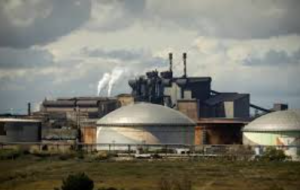
France has unveiled a detailed national roadmap to phase out fossil fuels by 2050, becoming one of the first countries to set clear deadlines for ending the use of coal, oil and gas. The announcement was made at the International Conference on the Just Transition Away from Fossil Fuels in Santa Marta, Colombia. The plan aims to provide a structured pathway for climate action while reinforcing France’s long-term goal of carbon neutrality.
Clear Timelines for Coal, Oil and Gas
Under the roadmap, France will phase out coal by 2030, oil by 2045 and gas by 2050 for energy purposes. Officials described the plan as a comprehensive framework that brings together existing climate and energy targets into a single document with clear deadlines.
France’s envoy Benoit Faraco stated that very few countries have set such direct timelines for all fossil fuels, making the roadmap significant in global climate diplomacy.
Broader Energy Transition Strategy
France already depends heavily on nuclear energy, which supplies most of its electricity and reduces reliance on hydrocarbons. The new roadmap also includes ending domestic fossil fuel production, expanding electrification in transport and heating, and supporting other countries in their clean energy transitions.
The government has also reaffirmed its target of reducing greenhouse gas emissions by 5 percent annually between 2024 and 2028, with the final objective of achieving carbon neutrality by 2050.
Why the Plan Is Called First of Its Kind
Energy analysts say fossil fuel roadmaps differ from standard net-zero pledges because they set an actual end point for fossil fuel use rather than only emissions targets. This makes France’s plan more specific and measurable.
Experts from the E3G think tank described it as a “first mover” document because it directly outlines how the whole economy will transition away from fossil fuels rather than focusing only on broad climate commitments.
Important Facts for Exams
- France is Europe’s second-largest economy and relies heavily on nuclear power for electricity generation.
- Carbon neutrality means balancing greenhouse gas emissions with removal or offset by 2050.
- COP30 refers to the annual UN Climate Change Conference where global climate negotiations take place.
- Small island states like Tuvalu are among the most vulnerable countries to sea-level rise caused by climate change.
Global Context and Climate Diplomacy
France moved ahead with its own roadmap after a proposal for a global fossil fuel roadmap was blocked during COP30 climate negotiations. Brazil, which led the summit discussions, later invited countries to voluntarily submit their own transition plans.
The Santa Marta conference, co-hosted by Colombia and the Netherlands, includes nearly 60 countries, including Canada, Norway, Nigeria and Tuvalu. The discussions are taking place during rising global fuel prices and supply disruptions linked to the Iran war, making energy security a major concern alongside climate action.
| Related | |
|---|---|