Delhi Faces Ground-Level Ozone Pollution
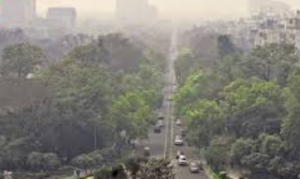
Ground-level ozone has emerged as a pollution concern in Delhi, where it is formed near the Earth’s surface through chemical reactions involving nitrogen oxides and volatile organic compounds in the presence of sunlight. It is different from stratospheric ozone, which occurs in the upper atmosphere and forms the ozone layer.
What is Ground-Level Ozone?
Ground-level ozone is a secondary pollutant, which means it is not emitted directly from a source. It forms when pollutants from vehicles, industries, power plants, and other combustion sources react under strong sunlight and warm temperatures.
Formation and Seasonal Behaviour
Ozone formation is common during hot and sunny conditions, especially in summer months. In urban areas such as Delhi, high traffic density, industrial emissions, and stagnant air can support the build-up of ozone and other photochemical pollutants.
Health and Environmental Facts
Ground-level ozone is a major component of photochemical smog. It can irritate the eyes, nose, and throat, and it can affect lung function, particularly in children, older adults, and people with asthma.
Important Facts for Exams
- Ozone has the chemical formula O3 and consists of three oxygen atoms.
- Ground-level ozone is a secondary pollutant formed by sunlight-driven reactions.
- Stratospheric ozone is found in the upper atmosphere and absorbs ultraviolet radiation.
- Photochemical smog commonly contains ozone, nitrogen oxides, and other oxidants.
Air Pollution Context in Delhi
Delhi experiences multiple air pollutants across different seasons, including particulate matter, nitrogen dioxide, and ozone. Ozone levels often rise during periods of intense sunlight and reduced atmospheric mixing.
| Related | |
|---|---|