China Performs First Pig Liver and Kidney Transplant
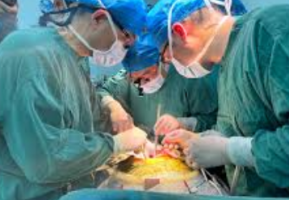
Chinese clinicians at Xijing Hospital of the Chinese Air Force Medical University transplanted two gene-edited pig kidneys and one pig liver into a 53-year-old brain-dead patient on 29 May 2026. The procedure was the world’s first simultaneous multi-organ pig-to-human transplant and used organs with six edited genes to reduce immune rejection.
Xenotransplantation
Xenotransplantation is the transplantation of living cells, tissues, or organs from one species to another. Pig organs are used in xenotransplantation research because pigs have organ sizes and physiological features that are closer to those of humans than many other mammals.
Gene Editing in Organ Transplant Research
Gene editing is used in xenotransplantation to modify donor animals and reduce rejection by the human immune system. In this case, six genes were edited in the pig organs to improve compatibility and to limit immune attack after transplantation.
Procedure Details and Medical Findings
The transplanted pig liver produced bile within 19 hours, and kidney function indicators returned to normal during the first five days after surgery. Early signs of rejection were observed around 36 hours after the operation, when human immune cells began replacing pig cells in the transplanted organs.
Important Facts for Exams
- Xenotransplantation refers to transplantation between different species, such as pig-to-human organ transfer.
- Brain-dead patients are sometimes used in medical research to assess organ function after experimental transplantation.
- Gene editing in animals is a major tool in organ compatibility research and rejection control.
- China has a large gap between organ demand and availability, which has increased interest in alternative transplant sources.
Publication and Research Context
The research was led by Xuyong Sun from the Second Affiliated Hospital of Guangxi Medical University and was published in the medical journal Med on 30 May 2026. The patient’s healthy native liver was removed and transplanted into another patient during the same procedure.
Organ Shortage and Bridge Use
Pig organs are being studied as a bridge support system for patients who need temporary organ replacement. Human organ shortage remains a major issue in transplant medicine, and xenotransplantation research is one response to that shortage.
| Related | |
|---|---|