Assam Tables Uniform Civil Code Bill
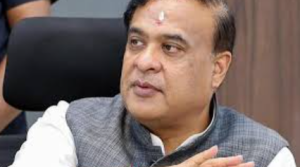
The Assam government tabled The Uniform Civil Code, Assam, 2026 Bill in the state assembly on 25 May 2026. The bill was introduced by Parliamentary Affairs Minister Atul Bora on behalf of Chief Minister Himanta Biswa Sarma.
Uniform Civil Code in India
A Uniform Civil Code is a proposed common set of personal laws for matters such as marriage, divorce, inheritance, adoption, and succession. Article 44 of the Constitution of India places the Uniform Civil Code among the Directive Principles of State Policy.
Key Provisions of the Assam Bill
The bill provides for compulsory registration of live-in relationships within 30 days. It also mandates registration of marriages within 60 days of the ceremony. Deliberate failure to register a marriage or divorce within the stipulated period can attract a penalty of ₹10,000. The proposed law seeks to ban polygamy and fixes the minimum legal age for marriage at 21 years for men and 18 years for women. It also aims to recognise the rights of partners and children born from live-in relationships.
Exemptions and Constitutional Context
Scheduled Tribes residing in Assam are exempted from the bill’s provisions. The exemption is linked to constitutional protections for Scheduled Tribes and their customary practices under the Indian legal framework.
Legislative Process in Assam
The Assam Cabinet approved the draft Uniform Civil Code Bill in its first meeting on 13 May 2026 after Himanta Biswa Sarma took oath for a second consecutive term. If enacted, Assam will become the third state in India to have a Uniform Civil Code law after Uttarakhand and Gujarat.
Important Facts for Exams
- Article 44 of the Constitution of India is part of the Directive Principles of State Policy.
- Uttarakhand and Gujarat are the other two states linked with Uniform Civil Code legislation.
- The legal minimum age of marriage in India is 21 years for men and 18 years for women.
- Scheduled Tribes receive special constitutional protection under the Fifth and Sixth Schedules in specified areas.
Political Response
Congress, Raijor Dal, and Trinamool Congress opposed the introduction of the bill in the assembly. They demanded wider consultation with stakeholders before the legislation is taken up for passage.
| Related | |
|---|---|