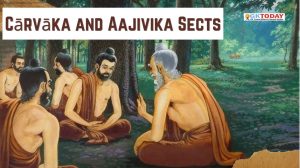
Page-7 of Ancient Indian History
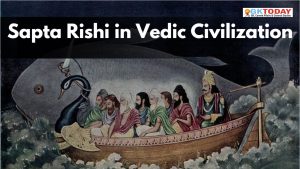
Sapta Rishi in Vedic Civilization
Saptarshi or the seven sages are mentioned at many places in Vedic Literaure. The term “Saptarishis” is NOT mentioned in Vedic Richas but they are enumerated in different...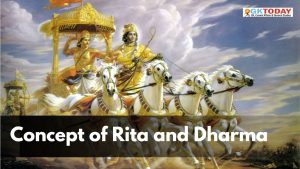
Concept of Rita and Dharma
The concepts of Rita and Dharma form the bedrock of ancient Indian philosophical and legal thought. Originating in the Rig Vedic period, these principles transitioned from cosmic observations...Important Trivia about Vedic Literature for UPSC Examinations
Rather than dealing the topics in details, here are some of the notable facts and observations which you must note for your examinations: On Rig-Veda Rig-Veda is oldest...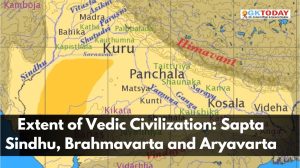
Extent of Vedic Civilization: Sapta Sindhu, Brahmavarta and Aryavarta
From their original home in Central Asia, the Aryans moved towards South-west in around 2000 BC and settled mainly in two areas in modern Afghanistan. First was the...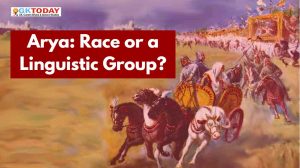
Arya: Race or a Linguistic Group?
The term Aryan denotes a linguistic group and not a race. Their language Vedic Sanskrit has definite relationship with major languages of Europe and Asia. Scholars call this...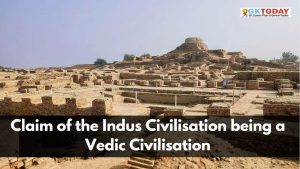
Claim of the Indus Civilisation being a Vedic Civilisation
What is the rationale for describing the Harappan Civilisation as the Saraswati Civilisation? To what extent is it a credible rationale? Some Indian historians make a claim essentially...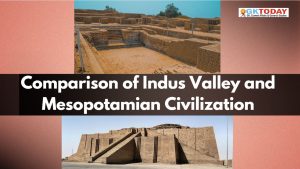
Comparison of Indus Valley and Mesopotamian Civilization
Both Indus Valley and Mesopotamia are oldest civilizations of the world. Both traded with each other. The key comparisons of Indus Valley and Mesopotamian civilization are as follows:...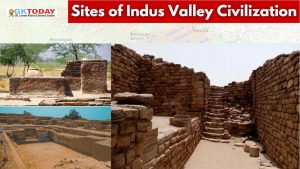
Sites of Indus Valley Civilization
The Bronze Age Indus Valley Civilization or Harappan Civilization was the culmination of a long and sustained cultural evolution in the Indus Valley and surrounding areas. The term...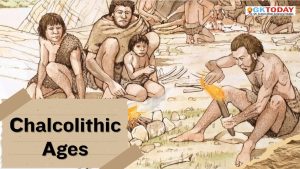
Chalcolithic Ages – Key Features
The Chalcolithic period, also known as the Copper Age or Eneolithic period, was a transitional era between the Neolithic and Bronze Age. Chalcolithic age generally dates earlier, typically...Muziris Heritage Project
Muziris was an ancient sea port on the Malabar Coast in Kerala which served as one of the world’s greatest trading center in East. As per historical records,...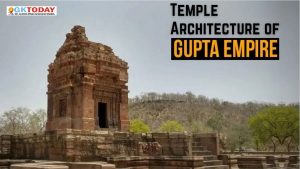
Temple Architecture of Gupta Empire
Gupta Period is called Golden or Classical age of India partially due to the unprecedented activities and development in the arts, architecture, sculpture, painting and literature. The rock...