Page-6 of Ancient Indian History
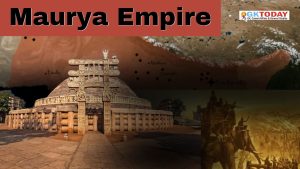
Maurya Empire Notes for UPSC
Here are some of the important observations summarized for your examinations. Tisya Tisya was the name of one of the brothers of Asoka. The Sri Lankan texts portrait...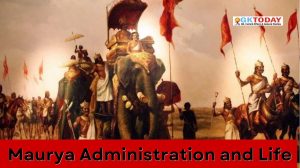
Maurya Administration and Life
The Mauryan imperial polity held sway over nearly three quarters of India’s landmass for a period little less than two centuries. As with any other great empire, the...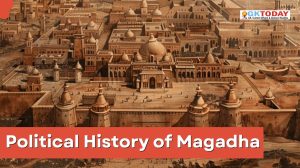
Political History of Magadha
Of all the Mahajanapadas, Magadha eventually emerged as most powerful mainly because of its peculiar geographical location. It was bordered by Ganga River in North, Son River in...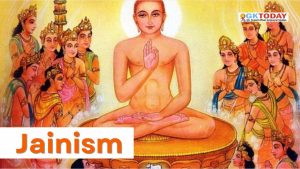
Indian History: Notes on Jainism for UPSC Examinations
The reasons for development of new religions were as follows: The economy increasingly changed from pastoral to agro-based and importance of trade increased. Vaishyas which had third position...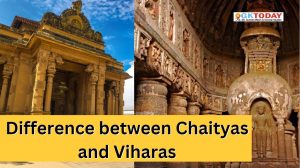
Difference between Chaityas and Viharas
Viharas were for the purpose of living, Chaityas were assemblies for the purpose of discussions. Further, Chaityas were with Stupas, Viharas did not have stupas. Both early Chaityas...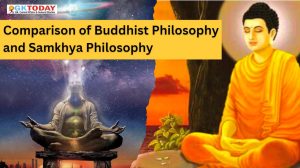
Comparison of Buddhist Philosophy and Samkhya Philosophy
There are some basic points of agreement towards which both Samkhya-Yoga and Buddhism were drawn. Their approach is positive and pragmatic. This positivistic attitude is reflected in their...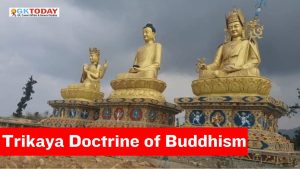
Trikaya Doctrine of Buddhism
The Trikaya doctrine is a key Mahayana Buddhist teaching that explains the nature of Buddha as having three “bodies” or forms of manifestation. As expressed in early Buddhism,...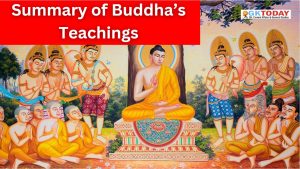
Summary of Buddha’s Teachings
The Buddhavamsa mentioned total 29 Buddhas of which 27 preceded Gautam Buddha and Maitreya is future Buddha to come. The current Kalpa has five Buddhas viz. Kakusandha, Koṇāgamana,...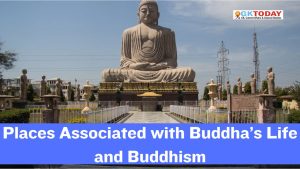
Places Associated with Buddha’s Life and Buddhism
Astamahasthanas are eight great holy places associated with the life of Buddha. These include four pilgrimage sites related to the life of Gautama Buddha viz. Lumbini, Bodhgaya, Sarnath...
Vedic Era – Trivia GK
Kathopnishad deals with the dialogue between Nachiketa and Yama “Satyamev Jayate” India’s motto comes from “Mundaka Upnishad” Aitareya Brahman establishes Superiority of Brahmins. Shudra word comes in 10th...
Metals Known to Vedic People
The exact metal denoted by this word when used by itself, as always in the Rigveda, is uncertain. The most probable accepted candidate for the use of word...