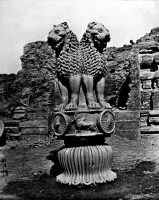
Page-8 of Ancient Indian History
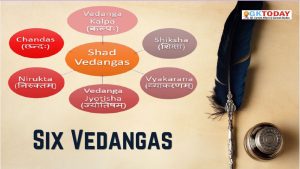
Six Vedangas
Vedangas are six auxiliary disciplines associated with the study and understanding of the Vedas. They are as follows: Shiksha (Phonetics) Its aim is the teaching of the correct pronunciation of...Basics of Vedic Literature
The Vedas are said to have been passed on from one generation to the next through verbal transmission and are, therefore, also known as Shruti (to hear) or...Indian Feudalism
From the post-Maurya period, and especially from Gupta times, India’s political and administrative developments tended to feudalise the state apparatus. What is feudalism? In Europeans sense, feudalism describes...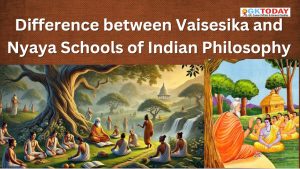
Difference between Vaisesika and Nyaya Schools of Indian Philosophy
Vaisesika is allied to the nyaya system of philosophy. Both systems accept the liberation of the individual self as the end goal; both view ignorance as the root...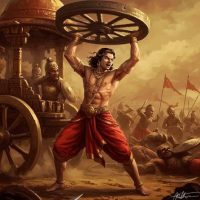
Abhimanyu
Abhimanyu is one of the most celebrated heroes of the Mahabharata, the great Sanskrit epic of ancient India. Renowned for his bravery, youthful vigour, and tragic heroism, Abhimanyu...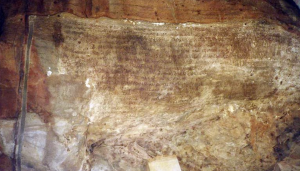
Hathigumpha Inscription
Hathigumpha Inscription is one of the most important epigraphic records of ancient India, providing a detailed account of the life, reign, and achievements of King Kharavela of Kalinga....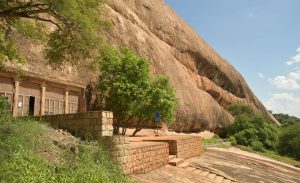
Sittanavasal Caves
The Sittanavasal Caves, located in Pudukkottai district of Tamil Nadu, are among the most significant monuments of early Jain art, architecture, and painting in South India. Dating back...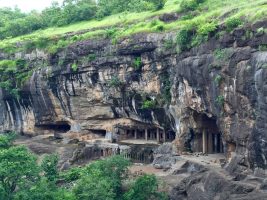
Pitalkhora Caves
The Pitalkhora Caves, located in the Satmala ranges of the Western Ghats in Aurangabad district, Maharashtra, are among the earliest examples of rock-cut Buddhist architecture in India. Dating...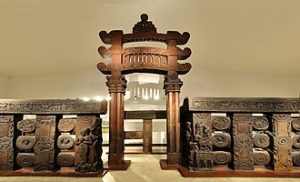
Bharhut Stupa
The Bharhut Stupa is an ancient Buddhist monument located in the Satna district of Madhya Pradesh, India. It is one of the earliest and most significant examples of...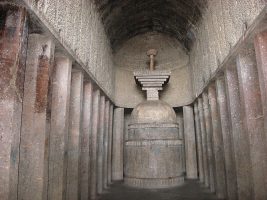
Bedsa Caves
The Bedsa Caves (also spelled Bedse Caves) are a group of ancient Buddhist rock-cut monuments located near Kamshet, in the Pune district of Maharashtra, India. Dating back to...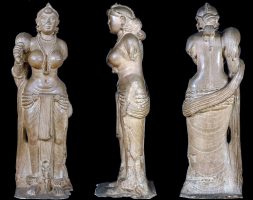
Didarganj Yakshini
The Didarganj Yakshini, also known as the Didarganj Chauri Bearer, is one of the most celebrated examples of Mauryan sculpture and early Indian stone art. Discovered near Didarganj,...