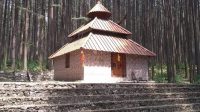
Alaknanda river
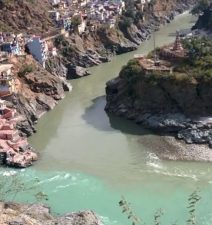
The Alaknanda River is a major headstream of the Ganga River system. It originates from the confluence of the Satopanth Glacier and the Bhagirathi Kharak Glacier in Uttarakhand. The river flows entirely within the state of Uttarakhand, cutting through the Garhwal Himalayas. It travels approximately 195 kilometers before merging with the Bhagirathi River at Devprayag to officially form the Ganga River.
The Panch Prayag System
The Alaknanda River forms the backbone of the sacred ‘Panch Prayag’ (five holy confluences) in Uttarakhand. As the river descends, it meets various tributaries at specific locations, which are highly revered in Indian culture.
| Confluence (Prayag) | Tributary Meeting Alaknanda | District Location | Key Features / Significance |
| Vishnuprayag | Dhauliganga | Chamoli | The first prayag; located near Joshimath. |
| Nandaprayag | Nandakini | Chamoli | Named after the Yadav king Nanda. |
| Karnaprayag | Pindar River | Chamoli | Named after the Mahabharata character Karna. |
| Rudraprayag | Mandakini | Rudraprayag | Associated with Lord Shiva; Mandakini originates near Kedarnath. |
| Devprayag | Bhagirathi | Tehri Garhwal / Pauri Garhwal | The final prayag where the river officially becomes the Ganga. |
Major Tributaries and Catchment Area
The catchment area of the Alaknanda basin extends across the Chamoli, Tehri, Pauri, and Rudraprayag districts. The river receives water from both glaciated and non-glaciated tributaries.
Saraswati River
This tributary originates near the Mana Pass close to the Indo-China border. It meets the Alaknanda at Keshav Prayag, just ahead of Badrinath temple.
Dhauliganga
Originating from the Niti Pass region, this river meets the Alaknanda at Vishnuprayag. The Rishi Ganga is a major tributary of the Dhauliganga.
Pindar River
The Pindar River originates from the Pindari Glacier in the Bageshwar district. It flows westward to join the Alaknanda at Karnaprayag.
Mandakini River
This glacier-fed river originates from the Chorabari Glacier near Kedarnath. It flows parallel to the Alaknanda before merging at Rudraprayag.
Hydropower Projects on Alaknanda Basin
The steep gradient of the Alaknanda and its tributaries makes the basin a major hub for run-of-the-river hydroelectric power projects.
- Vishnugad Pipalkoti Hydro Electric Project: A 444 MW run-of-the-river project under construction on the Alaknanda River in Chamoli district.
- Tapovan Vishnugad Project: A 520 MW project located on the Dhauliganga River, which suffered heavy damage during the 2021 flash floods.
- Srinagar Hydroelectric Project: A 330 MW operational project located on the Alaknanda River near Srinagar in Pauri Garhwal.
Ecological and Geographical Vulnerabilities
The Alaknanda basin lies in the High Himalayas, making it highly susceptible to natural disasters. The region falls under Seismic Zone V, the highest risk zone for earthquakes in India. Glacial Lake Outburst Floods (GLOFs), cloudbursts, and landslides frequently trigger flash floods in this river valley due to fragile terrain and loose moraines.
GKToday Star Facts for UPSC
- Badrinath Temple: The famous shrine dedicated to Lord Vishnu is located on the right bank of the Alaknanda River in Chamoli district.
- The 1970 Flood: A massive cloudburst in the Alaknanda valley in 1970 caused unprecedented destruction. The economic misery caused by this flood directly triggered the famous eco-development conservation movement, the Chipko Movement.
- Vaikuntha Chaturdashi Mela: This annual cultural festival is celebrated on the banks of the Alaknanda River at Srinagar in Pauri Garhwal.
- Water Quality Index: The Alaknanda maintains a high dissolved oxygen (DO) level and low biochemical oxygen demand (BOD) compared to the downstream Ganga, making it ecologically pristine before it reaches the plains.