Project Cheetah Reaches 60 Cheetahs at Kuno National Park
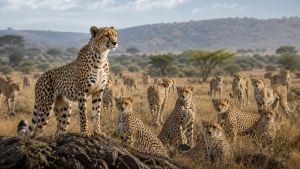
Five cheetah cubs were born at Kuno National Park in Madhya Pradesh on 5 October 2026 to KJP21, an India-born female cheetah. The birth raised India’s cheetah population to 60, including 41 cheetahs born on Indian soil.
Project Cheetah in India
Project Cheetah began on 17 September 2022 with the arrival of eight cheetahs from Namibia. India later received 12 cheetahs from South Africa in February 2023 and nine cheetahs from Botswana in February 2026. The project is the first intercontinental translocation of a large carnivore into India.
Kuno National Park and Cheetah Habitat
Kuno National Park is located in Madhya Pradesh and serves as the main site for cheetah reintroduction in India. Of the 60 cheetahs in India, 53 are in Kuno National Park and three are in Gandhi Sagar Wildlife Sanctuary. Kuno also recorded earlier births in 2026, including five cubs born to Namibian cheetah Jwala in March 2026.
Breeding Lineages and Population Growth
The latest litter introduced the Botswanan genetic lineage in India because the father is a male cheetah from Botswana. In September 2026, India-born female cheetah KGP12 gave birth to four cubs at Kuno National Park, taking the population to 56. In April 2026, an earlier litter of four cubs born to KGP12 did not survive after a leopard attack.
Important Facts for Exams
- The cheetah is the fastest land animal and belongs to the genus Acinonyx.
- The Asiatic cheetah is a separate subspecies from the African cheetah.
- Kuno National Park lies in the Sheopur district of Madhya Pradesh.
- Project Cheetah involves translocation, breeding, and habitat management for cheetah conservation in India.
Official Response and Conservation Context
Union Environment Minister Bhupender Yadav and Madhya Pradesh Chief Minister Dr. Mohan Yadav congratulated the teams involved in Project Cheetah. Cheetah reintroduction in India is linked to wildlife conservation, captive management, and habitat restoration under Project Cheetah.
| Related | |
|---|---|