Native Fruit Tree Cultivation Promoted in Nilgiris
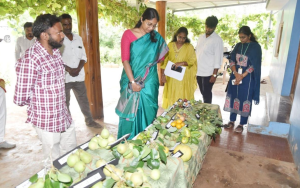
Native fruit tree cultivation is being promoted in Nilgiris district in Tamil Nadu through a joint initiative of the district administration and the Department of Horticulture. The programme includes a dedicated acre of land at the Pomological Station in Coonoor for native fruit trees.
Native Fruit Species in Nilgiris
The native fruit varieties identified for cultivation include wild figs, monkey fruit, wild guavas, jamuns, and Eleocarpus tectorius, which is locally known as Vikki fruit. These species belong to the broader category of indigenous fruit trees found in the Nilgiri hills.
Horticulture Support and Planting Material
The Horticulture Department in Nilgiris is providing guidance to farmers for native fruit cultivation. It is also supplying planting materials at subsidised rates for fruit and traditional vegetable cultivation.
Intercropping and Farm Diversification
The United Planters’ Association of Southern India has been piloting intercropping of tea with fruit and medicinal plants in the Nilgiris. Intercropping is a cultivation method in which two or more crops are grown on the same land during the same season or in overlapping periods.
Important Facts for Exams
- Nilgiris district is located in Tamil Nadu and includes the hill station of Coonoor.
- Pomological Station is a horticulture-related facility used for fruit research and cultivation.
- Jamun is the common name for Syzygium cumini, a tropical fruit tree species in India.
- Intercropping is used in plantation agriculture, including tea-based farming systems.
Traditional Fruit Trees and Local Biodiversity
Wild figs, wild guavas, and jamuns are among the native fruit trees associated with Indian hill ecosystems. Eleocarpus tectorius is a fruit-bearing tree species found in parts of South and South-East Asia.
| Related | |
|---|---|