Maharashtra to Introduce Women Farmers Empowerment Bill
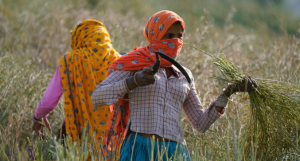
The Maharashtra Women Farmers Empowerment Bill, 2026, is scheduled for introduction in the Monsoon Session of the Maharashtra Legislative Assembly beginning on 22 June 2026. The Bill seeks independent legal recognition for women farmers and wider access to welfare schemes and institutional support in Maharashtra.
Women in Agriculture in Maharashtra
Agriculture in Maharashtra employs a large number of women, and the state has cited a figure of over 81% women in the agricultural workforce. Many existing agricultural benefits in India are linked to land ownership, which affects access for women, tenant cultivators, landless farmers, farm labourers, and migrant workers.
Proposed Legal Definition of Farmer
The draft Bill proposes a broader legal definition of a farmer. The proposed definition includes landowners, women engaged in animal husbandry, fisheries, and horticulture, as well as landless farmers, tenant cultivators, farm labourers, and migrant workers.
Administrative and Financial Provisions
The proposed framework includes a digital system for women farmers to access state loan schemes, agricultural subsidies, seeds, fertilisers, crop insurance, and market facilities. The government is also considering a Maharashtra State Women Farmers Fund and a State-Level Monitoring Committee headed by the Chief Secretary.
Important Facts for Exams
- The Maharashtra Legislative Assembly is the lower house of the state legislature of Maharashtra.
- The Monsoon Session of a state legislature is one of the regular sittings held during the year in India.
- Crop insurance in India is linked to schemes such as the Pradhan Mantri Fasal Bima Yojana.
- Animal husbandry, fisheries, and horticulture are recognised as allied agricultural activities in India.
Constitutional and Policy Context
Agriculture is a State List subject under the Seventh Schedule of the Constitution of India. Welfare schemes for farmers in India often use land records, identity documents, and bank-linked systems for eligibility and direct benefit transfer.
| Related | |
|---|---|