Key Immunisation Vaccines and Birth Dose Coverage in India
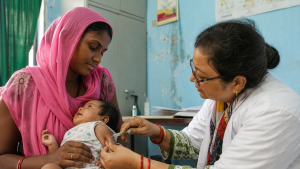
India’s immunisation framework combines routine childhood vaccines, maternal protection and early birth-dose coverage to reduce illness from vaccine-preventable diseases. Within this system, hepatitis B prevention is especially important because infection can pass from mother to child at birth, making timely screening, vaccination and follow-up central to child health.
Universal Immunisation Programme (UIP)
The Universal Immunisation Programme was launched in 1985 and functions under the National Health Mission. It is one of India’s most significant public health interventions, offering free vaccines across the country to protect newborns, infants, children and pregnant women from major vaccine-preventable diseases.
The UIP covers a wide range of infections, including Tuberculosis through BCG, Polio through OPV, Diphtheria, Pertussis and Tetanus through DPT, Hepatitis B, Measles, Rubella, Japanese Encephalitis in endemic areas, Rotavirus and Pneumococcal Conjugate Vaccine (PCV). For pregnant women, Tetanus Toxoid (TT) and Tetanus and Diphtheria (Td) vaccines are used to provide maternal and neonatal protection.
The programme is significant not only for disease prevention but also for improving child survival, reducing morbidity, and strengthening routine health delivery. Its success depends on timely outreach, functioning cold chain systems, trained health workers and regular follow-up so that every scheduled dose reaches the beneficiary on time.
- Free immunisation: Vaccines are provided free of cost through public health facilities.
- Target groups: Newborns, infants, children and pregnant women are the primary beneficiaries.
- Public health role: The programme reduces mortality and morbidity from preventable infections.
- Delivery support: Cold chain maintenance is essential for vaccine effectiveness.
- Supplementary effort: Mission Indradhanush, started in 2014, supports higher full-immunisation coverage.
Hepatitis B Vaccine and Birth Dose Coverage
Hepatitis B is a viral infection that affects the liver and can lead to chronic disease, cirrhosis and liver cancer. Transmission can occur from mother to child during childbirth, through infected blood, unsafe injections or unprotected sexual contact. Because mother-to-child transmission is a major route, the birth dose is a critical preventive step.
Under the UIP, newborns receive a Hepatitis B birth dose within 24 hours of birth. This early dose is important for preventing vertical transmission, especially when the mother is infected or her infection status is unknown. The remaining doses are given at 6, 10 and 14 weeks as part of the routine immunisation schedule.
India also follows universal screening of pregnant women for Hepatitis B. Maternal screening helps identify infected mothers in time so that newborns can receive appropriate preventive care and health workers can plan timely vaccination and referral. This makes antenatal screening an important link between maternal health and child immunisation.
Hepatitis B birth dose within 24 hours is a key public health measure to prevent mother-to-child transmission.
- Birth dose: Given within 24 hours of birth under UIP.
- Subsequent doses: Administered at 6, 10 and 14 weeks.
- Maternal screening: Pregnant women are universally screened for Hepatitis B.
- Health impact: Early vaccination helps prevent chronic liver disease later in life.
- Child health angle: Timely newborn vaccination is a core indicator of immunisation performance.
National Viral Hepatitis Control Programme (NVHCP)
The National Viral Hepatitis Control Programme was launched in 2018 as India’s dedicated public health response to viral hepatitis. It provides free services for prevention, screening, diagnosis, treatment and awareness related to hepatitis through district hospitals and other public health facilities.
The programme follows a people-centred approach and aims to improve access to hepatitis care across the health system. It covers both Hepatitis B and Hepatitis C and supports screening, diagnosis, treatment and referral services for beneficiaries. The use of affordable generic medicines is an important part of this effort, especially for treatment access in public facilities.
The scale of the programme is substantial. As of July 28, 2026, more than 21 crore beneficiaries had been screened, and about 6.12 lakh patients had received treatment across 1,153 treatment sites. These figures show the growing reach of India’s hepatitis response and the importance of sustained public health delivery.
- Launch year: NVHCP was launched in 2018.
- Service package: Prevention, screening, diagnosis, treatment and awareness.
- Access point: Services are available through district hospitals and other public health facilities.
- Medicines: Affordable generic medicines are used for treatment support.
- Coverage scale: Over 21 crore screened and about 6.12 lakh treated by July 28, 2026.
Hepatitis B and Hepatitis C: Disease Profile
Hepatitis B and Hepatitis C are distinct viral infections, but both can cause severe liver damage. If untreated, they may progress to chronic liver disease, cirrhosis and liver cancer. Their public health importance lies in both long-term disease burden and the need for timely testing and treatment.
A vaccine is available for Hepatitis B and it is included in the Universal Immunisation Programme. Hepatitis C, however, does not currently have a vaccine. Even so, Hepatitis C is curable with antiviral medicines, which makes early diagnosis and treatment essential.
India’s response therefore combines prevention through immunisation, early detection through screening, and treatment access through public health facilities. This approach is particularly relevant for maternal screening, newborn protection and long-term liver disease control.
- Hepatitis B: Vaccine available and included in UIP.
- Hepatitis C: No vaccine currently available.
- Treatment status: Hepatitis C is curable with antiviral medicines.
- Public health strategy: Prevention, screening and treatment are all necessary.
Elimination Goal and Programme Linkages
India aims to eliminate Hepatitis B and Hepatitis C as public health threats by 2030. This target aligns with Sustainable Development Goal 3.3, which seeks to end major communicable diseases by 2030. The goal reflects a shift from disease control to elimination-oriented public health planning.
To strengthen implementation, India has linked the hepatitis response with several other health programmes. These include the Reproductive, Maternal, Newborn, Child, Adolescent Health and Nutrition programme, the National AIDS Control Programme, the National Tuberculosis Elimination Programme and Blood Transfusion Services. Such integration improves screening, referral and continuity of care across public health platforms.
The linkage with maternal and child health programmes is especially important because early screening, birth-dose vaccination and referral after delivery can reduce missed opportunities. This integrated model also helps connect vulnerable groups to testing and treatment more efficiently.
- 2030 target: India aims to eliminate Hepatitis B and C as public health threats.
- SDG link: The target aligns with Sustainable Development Goal 3.3.
- Integrated approach: Hepatitis response is linked with RMNCAH+N, NACP, NTEP and Blood Transfusion Services.
- Health-system value: Integration strengthens screening and referral mechanisms.
- Maternal-child relevance: It supports birth-dose delivery and follow-up care.
Key Prelims Takeaways
- UIP: Launched in 1985 under the National Health Mission.
- Birth dose: Hepatitis B vaccine is given within 24 hours of birth.
- Routine schedule: Hepatitis B doses follow at 6, 10 and 14 weeks.
- Pregnant women: Universal screening for Hepatitis B is followed in India.
- NVHCP: Launched in 2018 for prevention, screening, diagnosis, treatment and awareness.
- Hepatitis C: No vaccine, but curable with antiviral medicines.
- 2030 goal: India seeks to eliminate Hepatitis B and C as public health threats by 2030.
- SDG linkage: The target is consistent with SDG 3.3.
- World Hepatitis Day: Observed annually on July 28.
- Programme integration: Hepatitis response is linked with RMNCAH+N, NACP, NTEP and Blood Transfusion Services.
Recent Context
India’s 2030 elimination target for Hepatitis B and C has been reiterated in official forums, keeping the issue in current affairs focus. In July 2026, the Health Ministry also asked states and Union Territories to step up awareness on transmission, testing and treatment, underlining the importance of early detection and public outreach.
| Related | |
|---|---|