Indian Criminal Investigation and Evidence Laws
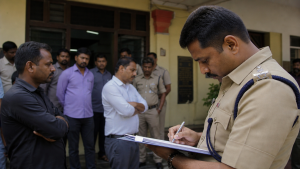
The criminal justice system in India moved to a new statutory framework on 1 July 2024 with the enforcement of three major codes. These laws replaced the IPC, CrPC and Indian Evidence Act with updated provisions for offences, procedure and evidence.
Transition to BNS, BNSS and BSA
- Bharatiya Nyaya Sanhita, 2023 (BNS): Replaced the Indian Penal Code, 1860. It is the substantive penal law that defines offences and prescribes punishments.
- Bharatiya Nagarik Suraksha Sanhita, 2023 (BNSS): Replaced the Code of Criminal Procedure, 1973. It governs arrest, investigation, bail, prosecution and trial procedure.
- Bharatiya Sakshya Adhiniyam, 2023 (BSA): Replaced the Indian Evidence Act, 1872. It lays down the rules on admissibility of testimony, documents and electronic evidence.
- Effective date: The new codes apply to cases registered on or after 1 July 2024.
- Old law for pending cases: Cases registered before 1 July 2024 continue to be governed by the IPC, CrPC and IEA.
BNSS: Procedure, Bail and Arrest
- Chargesheet supply: Section 193(8) of the BNSS requires the police to supply copies of the chargesheet to the accused.
- Default bail: The Supreme Court in Shaurya Sunil Kumar Singh v. CBI held that delay or non-supply of chargesheet copies does not by itself create a right to default bail under Section 187(3), if the chargesheet was filed within the statutory period.
- Pre-cognizance hearing: The first proviso to Section 223(1) requires the court to hear the accused before taking cognizance of a complaint.
- Article 21 protection: In Parvinder Singh v. Directorate of Enforcement, the Supreme Court treated this hearing as a substantive right under Article 21.
- Effect of non-compliance: Failure to follow Section 223(1) makes the cognizance order void ab initio.
- Notice of appearance: Section 35(3) provides for notice of appearance as the default course for offences punishable with imprisonment up to seven years.
- Arrest as exception: Physical arrest under Section 35 is to be used narrowly and not as a routine step.
BNS: Cruelty and Domestic Relationships
- Section 85 of BNS: It corresponds to Section 498A of the IPC and deals with domestic cruelty.
- Live-in relationships: In Dr. Lokesh B.H. & Ors. v. State of Karnataka & Anr., the Supreme Court held that the provision can apply to women in live-in relationships that are in the nature of marriage.
- Judicial tests: The Court indicated that such a relationship must show shared domestic life, long-term cohabitation and mutual intent to marry.
- Exam relevance: The ruling is important for understanding how criminal cruelty law may extend beyond formal marriage in appropriate factual settings.
BSA: Electronic Records as Evidence
- Electronic evidence: Section 63 of the BSA formally recognises electronic and digital records as primary evidence.
- Certification requirement: Digital records must be supported by the procedural certification required under the Act for admissibility in court.
- Significance: The provision is crucial for the increasing use of emails, messages, digital files and other electronic material in criminal trials.
State Amendments and Regulatory Alignment
- Maharashtra amendments: In March 2026, the Maharashtra Legislative Assembly introduced the Bharatiya Nyaya Sanhita (Maharashtra Amendment) Bill, 2026 and the Bharatiya Nagarik Suraksha Sanhita (Maharashtra Amendment) Bill, 2026.
- Purpose of the bills: They seek to preserve state-specific provisions relating to women’s privacy, digital sexual offences and preventive police custody timelines.
- Central regulatory update: In February 2026, corrigenda to the Information Technology (Intermediary Guidelines and Digital Media Ethics Code) Amendment Rules, 2026 updated older legal references.
- Revised citation: The rules now refer to the Bharatiya Nyaya Sanhita, 2023 read with the Bharatiya Nagarik Suraksha Sanhita, 2023.
Key Prelims Takeaways
- 1 July 2024: BNS, BNSS and BSA came into force across India.
- Substantive law: BNS replaced the IPC and defines offences and punishments.
- Procedure: BNSS replaced the CrPC and governs investigation, arrest, bail and trial.
- Evidence law: BSA replaced the Indian Evidence Act and covers documentary and electronic proof.
- Section 85, BNS: Deals with domestic cruelty and corresponds to Section 498A of the IPC.
- Section 223(1), BNSS: Requires a pre-cognizance hearing of the accused in complaints.
- Section 63, BSA: Recognises electronic records as evidence, subject to certification requirements.
Current General Studies comprises current-affairs-based, General Studies-rich study material on policies, laws, institutions, economy, science, environment, governance, international relations, and other varied but important topics for UPSC and State PSC Prelims examinations.
Fortnightly PDF compilations: Available here
Originally written on
March 23, 2026
and last modified on
September 5, 2026.
| Related | |
|---|---|