EU Approves €90 Billion Ukraine Aid and Russia Sanctions
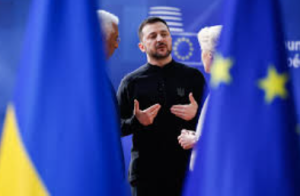
The European Union has approved a €90 billion financial assistance package for Ukraine along with its 20th round of sanctions against Russia after Hungary withdrew its opposition. The move reflects renewed unity within the bloc as Brussels continues to strengthen support for Kyiv and increase pressure on Moscow during the ongoing war.
The decisions were backed by ambassadors from all 27 EU member states and are expected to be formally adopted through a written procedure. The approval ends months of delay caused by Hungary’s objections linked to oil transit and broader political disagreements.
Hungary’s Earlier Objection
Hungary, led by outgoing Prime Minister Viktor Orbán, had blocked both the Ukraine aid package and the new sanctions. Budapest raised concerns over disruptions in Russian oil supplies through the Druzhba pipeline, which is a key energy route for Hungary and Slovakia.
The issue emerged after damage caused by Russian attacks affected oil transit through Ukraine. Hungary argued that delays in restoring the route threatened its energy security and criticised Kyiv over the matter.
Purpose of the €90 Billion Package
The financial package is intended to help Ukraine manage its wartime budget needs during 2026 and 2027. Reports suggest that nearly half of the amount will support defence requirements, while the remaining funds will be used for public services, salaries, pensions, and maintaining economic stability.
Ukraine continues to face severe financial pressure as military costs remain high and foreign support remains essential for sustaining governance and national security.
20th Round of Sanctions on Russia
At the same time, the EU cleared its 20th sanctions package against Russia. These sanctions are aimed at increasing economic restrictions on Moscow and reducing its ability to sustain the war effort.
The new measures are part of the EU’s long-term strategy to maintain diplomatic and financial pressure on Russia while demonstrating continued political backing for Ukraine.
Important Facts for Exams
- The Druzhba Pipeline is one of the longest oil pipelines in the world and supplies Russian oil to Europe.
- All European Union sanctions require unanimous approval from all 27 member states.
- Hungary and Slovakia remain highly dependent on Russian oil imports through pipeline routes.
- The EU has been among the largest providers of financial and military support to Ukraine since 2022.
Deadlock Ends with Political Shift
The breakthrough also reflects changing political conditions in Hungary. With Viktor Orbán’s influence weakening and leadership transition discussions increasing, Budapest softened its resistance to both measures.
The restoration of oil transit and growing diplomatic pressure from other EU members helped resolve the dispute. The final approval is expected to strengthen European unity and send a clear message of continued support for Ukraine against Russian aggression.
| Related | |
|---|---|