Environmental Impacts of Mining in Forest Areas of India
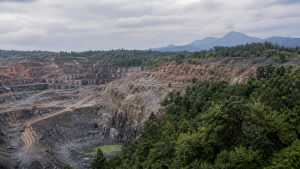
Mining in forest areas can generate minerals and support industry, but it may also damage habitats, water systems and local livelihoods. Effective environmental assessment, protection of forest rights and restoration of mined land are central to balancing mineral development with ecological conservation.
Mining in Forest Landscapes
India’s major mineral-bearing regions include the Chhotanagpur and Odisha plateaus and parts of Chhattisgarh. They contain coal, iron ore, manganese, bauxite and mica. Jharkhand holds about 40% of the country’s mineral resources, including substantial coal, iron and bauxite reserves. Both opencast and underground mines can transform forest land; more than 0.8 million hectares in India are used for mining, predominantly in forest areas. Opencast mining typically requires clearing land for excavation, overburden dumps and infrastructure. Underground mining has a smaller surface footprint in some cases, but can still affect forests, soil and water through associated operations.
Ecological Impacts
Mining can alter connected forest ecosystems and create long-lasting pressures on biodiversity and natural resources.
- Deforestation and fragmentation: Clearing for mines, waste dumps and infrastructure removes forest cover and can disrupt ecological corridors. A study of Madhya Pradesh and Chhattisgarh reported a 7.32%–17.61% reduction in forest cover associated with coal mining between 1994 and 2022.
- Biodiversity loss: Habitat destruction and fragmentation threaten plant and animal populations, including endemic, endangered and disturbance-sensitive species. Declining populations may lead to local extinctions.
- Soil degradation: Removing topsoil and displacing overburden alter soil structure and composition, reduce fertility and make natural regeneration difficult. Exposed land is also vulnerable to erosion, particularly during monsoons.
- Water contamination: Runoff from mines and waste sites can carry heavy metals and other pollutants into surface water and groundwater. Acid mine drainage may also affect aquatic life and water used by nearby communities and farms.
- Air pollution: Excavation, crushing and transport generate dust, while heavy machinery adds emissions. These sources can degrade local air quality.
- Changed hydrology: Mining may disrupt drainage, affect groundwater levels and damage perennial water sources, increasing the risk of water scarcity or flooding in surrounding areas.
Impacts on Communities
Forest-dwelling Scheduled Tribes and other traditional forest dwellers depend on forests for livelihoods, food, resources and cultural practices. Mining-related displacement can disrupt these connections and weaken community food security and cultural identity.
- Health and livelihoods: Air and water pollution can affect local populations, while loss of access to forest resources can undermine traditional livelihoods.
- Pressure on local services: An influx of migrant workers may strain local resources and infrastructure and can contribute to social tensions.
- Rights and consultation: Project planning must consider recognised forest rights and the role of Gram Sabhas in the rights-recognition and forest-diversion processes.
Regulatory Framework
Several laws and processes govern forest diversion, environmental assessment, wildlife protection and community rights.
- Forest (Conservation) Act, 1980: Requires prior Central Government approval for diversion of forest land for non-forest purposes, including mining.
- Environmental Impact Assessment Notification, 2006: Issued under the Environment (Protection) Act, 1986, it requires environmental appraisal for covered new or expansion mining projects before Environmental Clearance (EC). EIA examines potential environmental and social impacts; public consultation is required for many projects.
- Wild Life (Protection) Act, 1972: Provides legal protection to species listed in its Schedules and regulates activities affecting National Parks and Wildlife Sanctuaries. Projects affecting protected areas may require scrutiny and National Board for Wildlife clearance, as applicable.
- Compensatory Afforestation Fund Act, 2016: Provides a statutory framework for managing funds collected for compensatory afforestation, Net Present Value (NPV) and related charges. Funds support afforestation, forest regeneration and wildlife conservation. The Act established National and State funds, with 90% of the funds allocated to states.
- Forest Rights Act, 2006: The Scheduled Tribes and Other Traditional Forest Dwellers (Recognition of Forest Rights) Act recognises forest-dwelling communities’ rights over forest land and resources. Gram Sabhas have an important role in initiating and verifying claims and in processes concerning forest diversion.
Mitigation and Restoration
Environmental safeguards should address impacts throughout a mine’s life, from project assessment to closure. Afforestation alone cannot replace the ecological functions of a mature forest, so avoidance and minimisation of damage remain important.
- Planning: Prepare and implement Environmental Management Plans (EMPs) based on EIA findings, with regular monitoring of air and water quality.
- Restoration: Reclaim mined-out areas through backfilling, topsoil restoration and revegetation; implement mine-closure plans to support environmental stability after operations end.
- Compensation: Undertake compensatory afforestation and use relevant funds for forest regeneration and wildlife conservation.
Key Prelims Takeaways
- Forest diversion: The Forest (Conservation) Act, 1980 requires prior Central Government approval.
- Environmental appraisal: The EIA Notification, 2006 governs environmental assessment and EC for covered mining projects.
- Wildlife protection: The Wild Life (Protection) Act, 1972 protects scheduled species and regulates activities affecting protected areas.
- CAMPA: The 2016 Act governs compensatory afforestation funds; 90% of funds are allocated to states.
- Community rights: The Forest Rights Act, 2006 recognises forest-dweller rights and assigns Gram Sabhas a role in claims and diversion processes.
- Mining methods: Bauxite is the principal ore for alumina and aluminium production; opencast mining can cause major land-use change.
Recent Context
A proposed opencast bauxite mine by Kalinga Alumina Ltd is planned across 147 hectares of Nageswari reserve forest in Koraput, Odisha. The Balda hills site is habitat for the endangered Jeypore ground gecko (Cyrtodactylus jeyporensis); four individuals were documented there in the past year, as of October 2026. Bonda and Porja Adivasi communities have protested the proposal.
| Related | |
|---|---|