Diabetes Mellitus: Types, Causes and Diagnosis
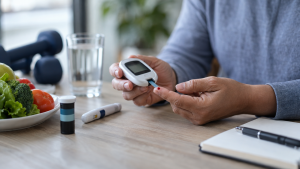
Diabetes mellitus is a chronic metabolic disorder in which blood glucose rises because the body produces too little insulin or cannot use it effectively. Its types differ in cause and mechanism, while diagnosis relies on blood glucose or glycated haemoglobin tests.
Understanding Diabetes Mellitus
Glucose is the body’s main source of energy. The pancreas secretes insulin, which enables glucose to move from the bloodstream into cells for energy or storage. When insulin is absent or does not work effectively, glucose accumulates in the blood. Persistent hyperglycaemia can lead to health complications over time.
Types of Diabetes Mellitus
The three main types are distinguished by how insulin production or action is affected.
- Type 1 diabetes: An autoimmune condition in which the immune system destroys insulin-producing beta cells in the pancreas. This causes little or no insulin production, known as absolute insulin deficiency. It can occur at any age, although it is often diagnosed in children and young adults. People with type 1 diabetes require insulin for survival.
- Type 2 diabetes: The most common type, accounting for approximately 90–95% of diabetes cases. Body cells respond poorly to insulin, a condition called insulin resistance; the pancreas may also fail to produce enough insulin to overcome it. Management may include lifestyle changes, oral medicines and, in some cases, insulin.
- Gestational diabetes mellitus (GDM): Develops during pregnancy in a person who did not previously have diabetes. Pregnancy-related hormonal changes can cause insulin resistance. It usually resolves after childbirth, but raises the later risk of type 2 diabetes for both the mother and child.
Causes and Risk Factors
The causes vary by type. Type 1 diabetes involves an autoimmune response; genetic susceptibility and environmental triggers, including viruses, are considered possible contributors. Type 2 diabetes reflects a combination of insulin resistance and inadequate insulin production. GDM is associated with hormonal changes during pregnancy that can interfere with insulin action.
- Type 2 risk factors: Overweight or obesity, particularly excess abdominal fat; physical inactivity; family history; increasing age, especially after 45; and diets high in processed foods, sugar or unhealthy fats. Some ethnic groups also have a higher predisposition.
- GDM risk factors: Being overweight before pregnancy, being over 25, and a personal history of GDM or a family history of GDM or type 2 diabetes.
- Prevention relevance: Physical activity and dietary habits are important in addressing modifiable type 2 risk factors. Public health awareness can support prevention and timely testing, but risk factors do not determine an individual diagnosis.
Symptoms and Recognition
Type 2 diabetes may produce no obvious symptoms in its early stages. This can delay diagnosis, making awareness and access to testing important. When symptoms occur, they may include:
- Frequent urination (polyuria).
- Increased thirst (polydipsia) and increased hunger (polyphagia).
- Unexplained weight loss, fatigue or weakness.
- Blurred vision.
- Slow-healing sores or frequent infections.
- Tingling or numbness in the hands or feet.
Diagnosis
Blood tests measure glucose or estimate average glucose over time. Fasting plasma glucose requires an overnight fast of at least eight hours. The HbA1c test does not require fasting and reflects average blood glucose over approximately the previous two to three months.
| Test | Normal | Prediabetes | Diabetes |
| Fasting plasma glucose (FPG) | Below 100 mg/dL (5.6 mmol/L) | 100–125 mg/dL (5.6–6.9 mmol/L) | 126 mg/dL (7.0 mmol/L) or higher on two separate tests |
| Two-hour oral glucose tolerance test (OGTT) | Below 140 mg/dL (7.8 mmol/L) | 140–199 mg/dL (7.8–11.0 mmol/L) | 200 mg/dL (11.1 mmol/L) or higher |
| Glycated haemoglobin (HbA1c) | Below 5.7% | 5.7–6.4% | 6.5% or higher on two separate tests |
- OGTT: Blood glucose is measured before and two hours after drinking a glucose-rich liquid.
- Random plasma glucose: A result of 200 mg/dL (11.1 mmol/L) or higher, together with classic diabetes symptoms, indicates diabetes.
- Diagnostic capacity: Timely testing matters because a substantial share of people with diabetes remain undiagnosed. Limited diagnostic tools can also contribute to adults with type 1 diabetes being mistaken for having type 2.
- Glucose monitoring: Continuous glucose monitors (CGMs) measure glucose in interstitial fluid rather than directly in blood. Their readings can therefore lag behind changes in blood glucose.
Key Prelims Takeaways
- Diabetes mellitus is characterised by elevated blood glucose due to insufficient insulin or ineffective insulin action.
- Type 1 is autoimmune and causes absolute insulin deficiency; type 2 involves insulin resistance and relative insulin deficiency.
- GDM develops during pregnancy and usually resolves after childbirth, but increases later type 2 diabetes risk.
- FPG of 126 mg/dL or higher, two-hour OGTT of 200 mg/dL or higher, and HbA1c of 6.5% or higher are diabetes thresholds.
- Type 2 diabetes may be asymptomatic initially; awareness and accessible diagnostic services help address delayed diagnosis.
- CGMs measure interstitial-fluid glucose, which may lag behind blood glucose changes.
Recent Context
On 14 November 2026, WHO issued its first guidelines on diagnosing and managing type 1 diabetes in adults, addressing misdiagnosis and access to care. Recommendations include insulin and regular glucose monitoring. WHO supports affordable insulin and self-monitoring access for all people with type 1 diabetes by 2030.
| Related | |
|---|---|