CWGC Recognises 9,909 Indian World War I Soldiers
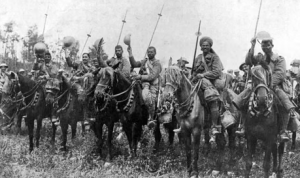
On 6 July 2026, the Commonwealth War Graves Commission recognised 9,909 previously uncommemorated British Indian Army servicemen from World War I. The revision is the largest change to the CWGC casualty database in more than 80 years.
Commonwealth War Graves Commission
The Commonwealth War Graves Commission is an intergovernmental organisation that maintains war graves and memorials for Commonwealth war dead. It was established in 1917 as the Imperial War Graves Commission and later adopted its present name.
British Indian Army and World War I
The British Indian Army recruited men from the Indian subcontinent during World War I, and about 1.4 million men served in its ranks. Many of the newly recognised names belonged to Punjabis from undivided Punjab, which was a major recruiting region for the army.
Research and archival records
Volunteers from the UK-based Punjab Heritage Association identified the names after digitising and analysing handwritten village registers preserved at the Lahore Museum in present-day Pakistan. The registers contained local records that linked individual soldiers to their villages and family names.
Commemoration practices in wartime records
Many of the soldiers died from injuries away from the battlefield and were excluded from official war graves records under policies followed by the British Indian government at the time. The CWGC later reversed those exclusions and added the names to its records.
Important Facts for Exams
- The CWGC was created in 1917 and is responsible for war graves and memorials of Commonwealth war dead.
- World War I lasted from 1914 to 1918 and involved soldiers from the Indian subcontinent in the British Indian Army.
- The Basra Memorial in Iraq commemorates soldiers who died in the Mesopotamia campaign during World War I.
- In April 2026, the CWGC digitally commemorated about 33,000 Indian soldiers whose names were missing from the Basra Memorial.
Community identity in the recognised names
Among the newly recognised soldiers, about 25% were Sikhs, about 25% were Hindus, and about 40% were Muslims. The list also included Kesar Singh, the great-grandfather of Leicester-based dentist Sunney Palahey.
| Related | |
|---|---|