CUSAT-SCTIMST Study Finds Gut Bacterial Differences in Parkinson’s Patients
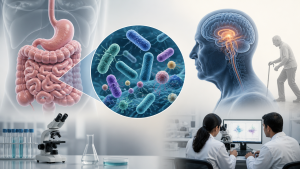
A study by researchers from the Cochin University of Science and Technology (CUSAT) and the Sree Chitra Tirunal Institute for Medical Sciences and Technology (SCTIMST), Thiruvananthapuram, found differences in gut bacteria between people with Parkinson’s disease and healthy individuals. The study involved patients from Keralam and was published online in “npj Parkinson’s Disease” on 29 October 2026.
Study Findings
Researchers found higher levels of bacterial groups potentially associated with inflammation and lower levels of bacteria that produce short-chain fatty acids in the patients. These fatty acids help maintain the gut lining and regulate immune activity. A related study of people with Parkinson’s disease in Keralam, published on 21 October 2026, identified increased abundance of microbial groups associated with inflammation and reduced abundance of anti-inflammatory groups. It also found differences in microbial metabolic capabilities related to dopaminergic, glutamatergic and GABAergic processes.
Gut Microbiome and Metabolites
The gut microbiome is the community of microorganisms, including bacteria, that inhabits the digestive tract. Short-chain fatty acids are produced when gut microbes ferment dietary fibre. Butyrate, acetate and propionate are examples of these fatty acids. Research published in October 2026 also noted reductions in genes associated with the production of riboflavin, or vitamin B2, and biotin, or vitamin B7, among people with Parkinson’s disease. Lower levels of short-chain fatty acids and polyamines have also been reported; these substances are involved in maintaining the gut barrier.
Parkinson’s Disease and Research Context
Parkinson’s disease is a progressive neurodegenerative disorder associated with the loss of dopamine-producing neurons, particularly in the substantia nigra. Dopamine is a neurotransmitter involved in movement control. Research published in April 2026, including work from University College London, linked altered gut microbial composition with increased Parkinson’s disease risk, particularly among people with GBA1 gene variants. Such microbial changes may occur before clinical symptoms. A review published in “Discover Immunity” on 7 July 2026 discussed research linking gut bacteria, inflammation and disease progression.
Important Facts for Exams
- Parkinson’s disease is associated with the loss of dopamine-producing neurons in the substantia nigra.
- Short-chain fatty acids include butyrate, acetate and propionate.
- Riboflavin is vitamin B2, while biotin is vitamin B7.
- Dopaminergic, glutamatergic and GABAergic refer to processes involving dopamine, glutamate and gamma-aminobutyric acid, respectively.
Gut microbial differences have been reported in studies of people with Parkinson’s disease in Keralam. These findings include changes in inflammation-associated bacteria and short-chain-fatty-acid-producing bacteria.
| Related | |
|---|---|