Conservation of Endemic Plant Species in India
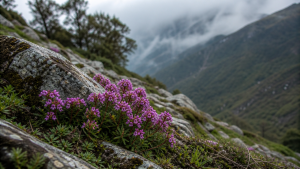
Endemic plants occur naturally within a limited geographical area and nowhere else. Their restricted ranges make them especially vulnerable to habitat change and extinction. Conserving them protects ecological relationships, distinctive genetic resources and the natural heritage of India’s diverse regions.
Endemism and Distribution in India
Endemism refers to a species’ natural confinement to a particular geographical region. In plants, isolation and adaptation to specific ecological conditions can produce distinctive species with limited ranges. India’s varied physiography—including mountains, islands and diverse climatic zones—supports considerable floral endemism. Endemic plants contribute to the ecological balance of their native habitats and may also hold medicinal or economic value. Their limited distribution, however, means that disturbance in even a small area can threaten an entire population. Important regions for endemic flora include:
- Western Ghats: A global biodiversity hotspot with the highest concentration of endemic flowering plants in India. Over 40% of its flora is described as unique to the region.
- Eastern Himalayas: Known for high plant endemism, including species of Rhododendron and numerous orchid genera. The region’s varied climatic conditions support diverse habitats.
- Indo-Burma region: Extending across Northeast India, this biodiversity hotspot has high levels of threatened endemism and supports species adapted to varied local conditions.
- Andaman and Nicobar Islands: Geographical isolation has contributed to island endemism, with plants found only in these archipelagos.
The Eastern Ghats and parts of Central India also contribute to India’s endemic floral wealth. These regions require attention alongside better-known hotspots.
Threats to Endemic Plants
Restricted ranges and specialised habitat requirements can make endemic plants particularly susceptible to environmental change. Major pressures include:
- Habitat loss and fragmentation: Deforestation for agriculture, urban expansion, industry and infrastructure can destroy or divide habitats. Fragmentation may isolate populations and reduce opportunities for their regeneration.
- Climate change: Shifts in temperature and rainfall, together with more frequent extreme weather events, can alter the ecological niches on which endemic plants depend.
- Invasive alien species: Non-native plants may compete with native flora for resources, alter habitat structure or introduce diseases.
- Over-exploitation: Unsustainable collection, particularly of plants valued for medicinal or ornamental use, can deplete local populations.
- Pollution: Industrial, agricultural and domestic pollution can degrade habitats and harm sensitive species.
- Forest fires: Natural or human-caused fires can damage populations, especially where plants have limited capacity to regenerate.
Legal and Institutional Framework
India’s constitutional provisions, legislation and institutions support biodiversity protection, including the conservation of endemic plants.
- Article 48A: A Directive Principle of State Policy that directs the State to protect and improve the environment and safeguard forests and wildlife.
- Article 51A(g): A Fundamental Duty requiring citizens to protect and improve the natural environment, including forests, lakes, rivers and wildlife, and to show compassion for living creatures.
- Wild Life (Protection) Act, 1972: Primarily concerned with fauna, it also supports protection of habitats important to endemic flora.
- Forest (Conservation) Act, 1980: Regulates the diversion of forest land for non-forest purposes, helping protect forest ecosystems.
- Environment (Protection) Act, 1986: An umbrella law providing for the protection and improvement of the environment.
- Biological Diversity Act, 2002: Enacted to implement the Convention on Biological Diversity, it provides for biodiversity conservation, sustainable use and fair and equitable sharing of benefits arising from genetic resources.
The Botanical Survey of India (BSI), established in 1890, is the apex organisation for floristic surveys, research and conservation of the country’s plant resources. The National Biodiversity Authority (NBA), constituted in 2003 under the Biological Diversity Act, implements the Act’s provisions, regulates access to biological resources and facilitates benefit-sharing. State Biodiversity Boards advise on biodiversity conservation at the state level. The Ministry of Environment, Forest and Climate Change is the nodal ministry for environmental protection and conservation.
Conservation Approaches and Initiatives
Conservation combines protection in natural habitats with measures outside them. Effective environmental regulation and attention to habitat fragmentation are important to both approaches.
- In-situ conservation: Protecting species within their natural habitats allows ecological relationships and natural processes to continue. National Parks, Wildlife Sanctuaries, Biosphere Reserves, Conservation Reserves and Community Reserves safeguard ecosystems that may contain endemic plants.
- Community protection: Sacred Groves—traditional forest patches protected by local communities—can help conserve native plants and their habitats.
- Ex-situ conservation: Botanical gardens, seed banks, gene banks and cryopreservation facilities help conserve plant material outside natural habitats. The Acharya Jagadish Chandra Bose Indian Botanic Garden in Howrah is one example.
- Documentation and research: Herbaria, including the national herbarium maintained by the BSI, support plant identification, documentation and research.
- Programmes: The National Afforestation Programme, Green India Mission and National Medicinal Plants Board support afforestation, ecological restoration and conservation of medicinal plant diversity, including endemic species.
Key Prelims Takeaways
- Endemic species are naturally confined to a particular geographical region.
- India’s key regions for endemic flora include the Western Ghats, Eastern Himalayas, Indo-Burma region and Andaman and Nicobar Islands.
- The Western Ghats have the highest concentration of endemic flowering plants in India.
- Article 48A is a Directive Principle; Article 51A(g) is a Fundamental Duty.
- The Biological Diversity Act was enacted in 2002; the NBA was constituted in 2003.
- The BSI, established in 1890, undertakes floristic surveys, research and plant-resource conservation.
Recent Context
Two new Ophiorrhiza species, O. shidiensis and O. pemae, were reported from Vijoynagar in Changlang district, Arunachal Pradesh; findings were published online on October 23, 2026. Both belong to the Rubiaceae family, also called the coffee, madder or bedstraw family, and were found in the Indo-Burma biodiversity hotspot.
| Related | |
|---|---|