Blue Origin Wins NASA Lunar Mission Contract
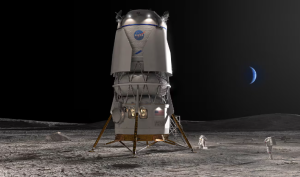
NASA awarded Blue Origin a multimillion-dollar contract on 26 May 2026 to deliver lunar rovers and related equipment to the Moon. The contract is linked to NASA’s Moon Base initiative, which plans a base at the lunar South Pole for sustained human presence by the 2030s.
NASA Moon Base initiative
The Moon Base initiative is a NASA programme for surface infrastructure at the lunar South Pole. The South Pole region contains permanently shadowed craters and areas with water ice deposits, which are relevant for lunar exploration and in-situ resource use.
Lunar terrain vehicles and contract value
NASA will pay Blue Origin at least 188 million for the initial contract to deliver the first lunar terrain vehicles to the Moon. An option period under the same contract is valued at an additional 280.4 million for two task orders. NASA also awarded contracts worth $439 million combined to Astrolab and Lunar Outpost for lunar terrain vehicle development.
Blue Moon Mark 1 Endurance lander
Blue Origin’s robotic Blue Moon Mark 1 Endurance lander will support the first official Moon Base mission. The launch is targeted for no earlier than autumn 2026. Blue Moon is a lunar lander family developed by Blue Origin for cargo and crewed lunar missions.
Artemis programme and related contracts
Blue Origin received a separate $3.4 billion contract in May 2023 for its larger Blue Moon human landing system. The system is intended as an alternative to SpaceX’s Starship for crewed Artemis missions, and the first piloted landing is expected around 2029.
Important Facts for Exams
- NASA stands for the National Aeronautics and Space Administration, which is the civil space agency of the United States.
- The lunar South Pole is a major target area for future Moon missions because of its permanently shadowed regions.
- Artemis is NASA’s programme for returning astronauts to the Moon and developing long-term lunar exploration capability.
- Lunar terrain vehicles are designed for transporting astronauts, tools, and scientific equipment on the Moon’s surface.
| Related | |
|---|---|