Important Biofuel and Biomass Recovery Methods
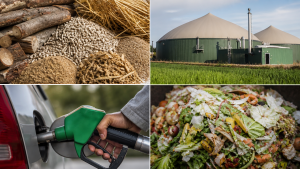
Biomass is organic material derived from plants, animals, and agricultural residues. It can be converted into renewable bioenergy and biofuels through biological, chemical, and thermochemical processes.
Classification of Biofuel Generations
Biofuels are classified into four generations based on feedstock source and processing technology.
| Generation | Feedstock Source | Key Products | Main Features |
| First Generation | Edible food crops (corn, wheat, sugarcane, sugar beet, soyabean) | Bioethanol, Biodiesel | High land and water use; competes with food security. |
| Second Generation | Non-edible crops, wood, agricultural waste, municipal waste | Cellulosic Ethanol, Bio-oil, Syngas | Uses lignocellulosic biomass; does not compete with food crops. |
| Third Generation | Microalgae and macroalgae (seaweed) | Algal Biodiesel, Biobutanol | High growth rate; requires less land; high oil yield per acre. |
| Fourth Generation | Genetically engineered plants, microalgae, and synthetic microbes | Synthetic biofuels, Biohydrogen | Combines carbon capture and storage (BECCS) with fuel production. |
Pre-treatment of Lignocellulosic Biomass
Second-generation biofuels rely on lignocellulosic biomass, which consists of cellulose, hemicellulose, and lignin. Its structure is naturally resistant to chemical and biological breakdown, so pre-treatment is needed to expose cellulose for fermentation.
Physical and Physicochemical Pre-treatment
- Mechanical Milling: Grinding and milling reduce the particle size of biomass. This increases the surface area for subsequent enzymatic action.
- Steam Explosion: Biomass is treated with high-pressure steam at temperatures between 160°C and 240°C. Rapid depressurization causes water to vaporize instantly, disrupting the fibrous structure.
- Hydrothermal Pre-treatment: Biomass is cooked in hot water under high pressure. This process solubilizes hemicellulose and makes cellulose more accessible.
Chemical and Biological Pre-treatment
- Acid Hydrolysis: Dilute sulfuric acid or hydrochloric acid dissolves hemicellulose and converts complex polymers into fermentable sugars.
- Alkaline Pre-treatment: Sodium hydroxide or calcium hydroxide removes lignin from biomass and improves enzymatic hydrolysis of cellulose.
- Biological Pre-treatment: Specific fungi, such as white-rot fungi, produce enzymes like laccase to degrade lignin. This method operates at room temperature and avoids hazardous chemicals.
Physical and Physicochemical Recovery Methods
These methods alter the physical structure of biomass to extract oil or increase energy density.
Mechanical and Solvent Extraction
- Mechanical Pressing: High pressure is applied to crush oil-rich seeds like Jatropha, Pongamia (Karanja), and neem to extract crude oil.
- Solvent Extraction: Chemical solvents, usually hexane, dissolve and recover remaining oil from pressed seed cakes.
- Ultrasonic and Microwave-Assisted Extraction: Sound waves or electromagnetic radiation rupture cell walls, accelerating oil recovery and reducing processing time.
Densification and Torrefaction
- Pelletization and Briquetting: Raw biomass has low bulk density. Mechanical compacting presses loose agricultural waste into high-density briquettes or pellets for easier transport and burning.
- Torrefaction: Biomass is heated to 200°C–300°C in the absence of oxygen. The process removes moisture and volatile compounds, creating a hydrophobic solid fuel called bio-coal.
Thermochemical Conversion Methods
Thermochemical methods use thermal energy to convert biomass into gaseous, liquid, or solid fuels.
Combustion and Gasification
- Combustion: Direct burning of dry biomass in the presence of oxygen generates heat, steam, and electricity. It is the most common method for power generation.
- Gasification: Biomass reacts at high temperatures (700°C–1400°C) with a controlled, limited amount of oxygen or steam. This process produces syngas (synthesis gas), a mixture of carbon monoxide, hydrogen, and carbon dioxide.
Pyrolysis and Liquefaction
- Pyrolysis: Thermal degradation occurs in the complete absence of oxygen at temperatures between 300°C and 900°C. It yields biochar (solid), bio-oil (liquid), and syngas (gas). Fast pyrolysis maximizes bio-oil yields, while slow pyrolysis maximizes biochar.
- Hydrothermal Liquefaction (HTL): Wet biomass is treated with water at high temperatures (250°C–400°C) and extreme pressures. HTL mimics geological oil formation, converting wet waste into heavy biocrude oil.
Biochemical Conversion Methods
Biochemical pathways use microorganisms and enzymes to break down organic matter at lower temperatures.
Anaerobic Digestion
Anaerobic digestion decomposes wet organic wastes in the absence of oxygen to produce biogas. Biogas consists of methane (50%–70%), carbon dioxide, and trace impurities.
- Hydrolysis: Complex polymers break down into simple soluble compounds.
- Acidogenesis: Microbes convert soluble compounds into volatile fatty acids and alcohols.
- Acetogenesis: Bacteria convert volatile fatty acids into acetic acid, carbon dioxide, and hydrogen.
- Methanogenesis: Archaea convert acetic acid and hydrogen into methane gas.
Purification of Biogas to Biomethane
- Water Scrubbing: This physical absorption process separates carbon dioxide and hydrogen sulfide from methane using high-pressure water.
- Pressure Swing Adsorption (PSA): Biogas passes through adsorbent materials like activated carbon or zeolites under pressure to trap carbon dioxide, yielding purified biomethane.
- Membrane Separation: Gas separation membranes allow carbon dioxide to pass through while keeping methane, producing biomethane with high purity.
Fermentation
Fermentation uses yeasts or bacteria to convert sugars, starches, and pretreated cellulose into liquid alcohols.
- Bioethanol Production: Saccharomyces cerevisiae yeast ferments simple sugars from sugarcane or corn starch into bioethanol.
- Biobutanol Production: Clostridium bacteria ferment sugars to produce biobutanol, which has a higher energy density than ethanol.
Chemical Conversion Methods
Chemical processes use catalysts and reactants to transform plant and animal fats into liquid biofuels.
Transesterification
Transesterification is the primary chemical method used to manufacture biodiesel.
- Process: Vegetable oils, animal fats, or waste cooking oils react with an alcohol, typically methanol or ethanol, in the presence of a catalyst such as sodium hydroxide or potassium hydroxide.
- Products: The reaction yields fatty acid methyl esters (biodiesel) and glycerol as a byproduct.
- Advantage: This process reduces the viscosity of raw vegetable oils, making them suitable for standard diesel engines.
Key Policy Initiatives and Programs
Governments and international bodies have framed structured policies to support biofuel production and biomass energy.
National Policy on Biofuels (India)
- The policy targets 20% ethanol blending in petrol by the 2025-26 supply year.
- The target for biodiesel blending in diesel is set at 5% by 2030.
- It categorizes feedstocks for ethanol production, allowing damaged food grains, maize, rotten potatoes, and sugarcane juice.
SATAT Initiative
- Sustainable Alternative Towards Affordable Transportation (SATAT): The initiative promotes Compressed Bio-Gas (CBG) plants.
- It encourages entrepreneurs to establish commercial CBG plants to utilize agricultural residue, animal dung, and municipal solid waste.
Global Biofuel Alliance (GBA)
- Launched during India’s G20 Presidency, the alliance aims to facilitate the global adoption of biofuels.
- It works toward standardizing biofuel trade, sharing technical knowledge, and securing technology transfer for bioenergy development.
Second-generation biofuels are important because they use non-food biomass and help improve resource efficiency and energy security.
Torrefaction produces a hydrophobic solid fuel called bio-coal.
Biogas typically contains methane, carbon dioxide, and trace impurities.
Transesterification converts oils and fats into biodiesel and glycerol.
Self-flocculation can reduce the energy needed for biomass recovery.
Rare Facts for Prelims
- Microalgae advantage: Microalgae can accumulate lipids rapidly and are considered one of the most promising third-generation biofuel feedstocks.
- White-rot fungi: These fungi are among the few organisms capable of efficiently degrading lignin, which is one of the most resistant components of biomass.
- Biochar use: Biochar from pyrolysis is not only a fuel precursor but is also studied as a soil amendment for carbon retention.
- Syngas composition: Syngas is mainly a mixture of carbon monoxide and hydrogen, and it can be used as an intermediate for fuels and chemicals.
- Biomethane quality: Upgraded biomethane can be used as a transport fuel after removing carbon dioxide and hydrogen sulfide from raw biogas.
- Hydrothermal liquefaction: HTL is especially useful for wet feedstocks because it avoids the energy-intensive drying step required in some other conversion routes.
| Related | |
|---|---|