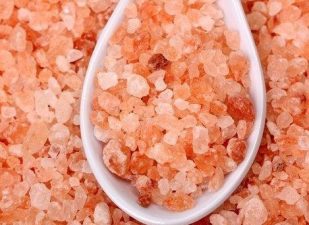
Himalayan pink salt is mined from the Salt Range (in Pakistan’s Punjab region), which extends along the south of Potohar Plateau and the north of Jhelum River. This...
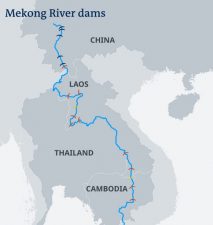
Mekong River is a trans-boundary river flowing in China, Myanmar, Laos, Thailand, Cambodia and Vietnam. It is the world’s 12th longest river, with an estimated length of around...
India and Afghanistan recently signed a MoU for building Lalandar or Shatoot dam. With the budget of USD236 million, this dam is expected to provide safe drinking water...
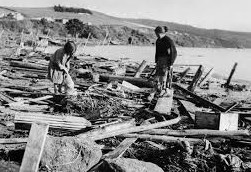
Sadiya earthquake is a historic earthquake that is said to have caused massive destruction on the border between Arunachal Pradesh and Assam. The quake struck the region in...
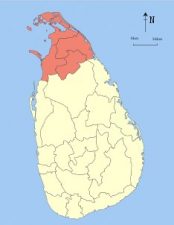
Jaffna Peninsula is a part of the Northern Province of Sri Lanka. It stretches into the Palk Strait. Recently, India lodged protests with the Sri Lankan government over...
Avalanche or snowslide is an event in which a cohesive mass of snow slides loosens from the underlying layer, fractures and moves down a slope. Mechanical failure is...
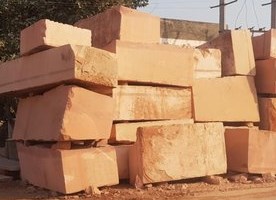
Bansi paharpur sandstone is a unique type of sandstone (a type of sedimentary rock) that is noted for its pink color. It is sourced from Rajasthan and is...
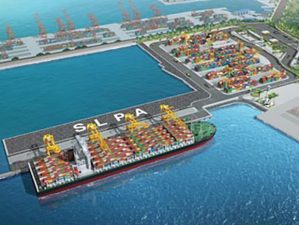
Colombo terminal project is a collaboration among India, Japan and Sri Lanka to develop the ECT or East Container Terminal, located on the southern part of Colombo Port....
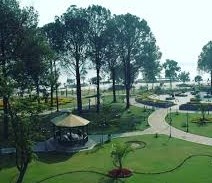
Fatima Jinnah Park or F-9 park is Islamabad’s biggest public recreational park. It spans across 759 acre of land. It is among the largest covered green areas in...