Page-6 of World Geography
Mount Sangay
Mount Sangay is an active volcano in central Ecuador. It is a stratovolcano i.e. a composite volcano characterised by steep profile and multiple layers of hardened lava. Recently,...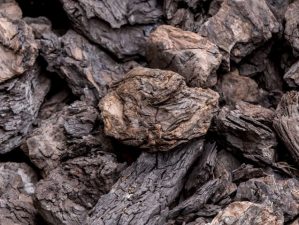
Brown coal
Brown coal or lignite is a soft brown coloured sedimentary rock that develops from decaying organic matter. It is used in power generation but is the lowest grade...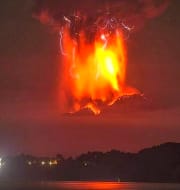
Mount Sinabung
Mount Sinabung is an active volcano located in the Sumatra Island of Indonesia. It is a 2,600 m volcano was previously dormant for a period of 40 years...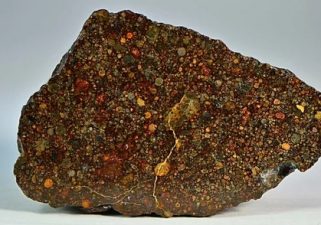
Carbonaceous chondrite
Carbonaceous chondrite is a type of primitive meteorite that is rich in organic compound and hence holds interest in the search for extraterrestrial life form. It belongs to...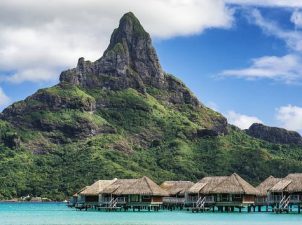
French Polynesia
French Polynesia is a group of 118 islands and atolls in the South Pacific Ocean. It is an oversea collectivity (semi-autonomous) region of the French Republic. It is...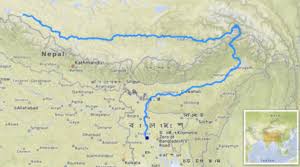
Yarlung Zangbo
Yarlung Zangbo is the Tibetan name of the Brahmaputra River. China’s draft five year plan for the period 2021 to 2025 has approved the construction of hydropower bases...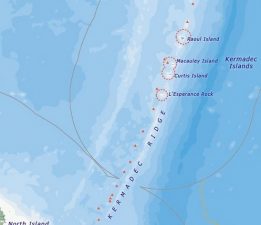
Kermadec Islands
Kermadec Islands is a group of sub-tropical islands located in the southern part of Pacific Ocean. It is located in the north-east of New Zealand. They are uninhabited...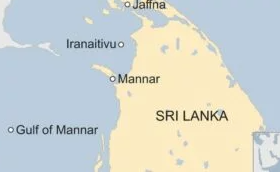
Iranaitivu Island
Iranaitivu is an island belonging to Sri Lanka located in the Gulf of Mannar. It is located 300 km away from the country’s capital, Colombo. This remote island...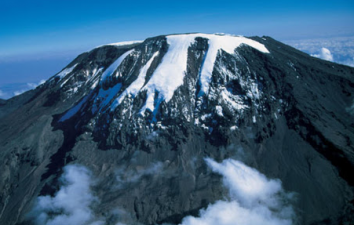
Mount Kilimanjaro
Mount Kilimanjaro, located in Tanzania, is the highest peak in Africa. With height of 5,895 metres, it the highest single free-standing mountain in the world. This large dormant...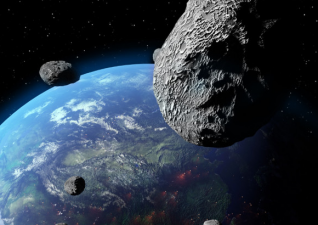
Chicxulub Crater
The Chicxulub Crater is a large impact structure buried beneath the Yucatán Peninsula in Mexico, widely regarded as the site of the asteroid impact that contributed to the...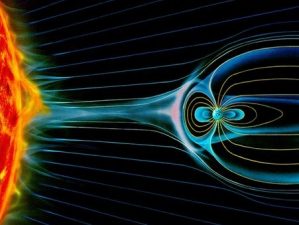
Laschamps Excursion
Laschamps Excursion or Laschamps Event is a geomagnetic excursion i.e. a change in the magnetic field of the earth. The event was named after a village in French...