Page-5 of World Geography
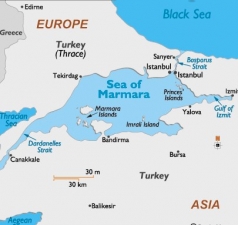
Sea of Marmara
Sea of Marmara is an inland sea in Turkey. It separates Turkey’s Asian and European territories. It is connected to the Black Sea and the Aegean Sea by...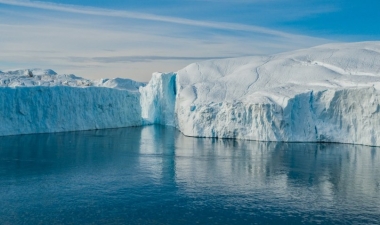
Greenland Ice Sheet
The Greenland Ice Sheet is the second largest body of ice on Earth, surpassed only by the Antarctic Ice Sheet. Covering roughly 1.7 million square kilometres, it blankets...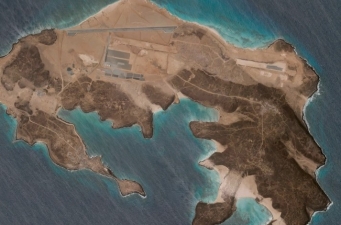
Mayun Island
Mayun Island is a volcanic island located in the strait of Mandeb at the southern entrance into the Red Sea. Also known as the Prim Island, it comes...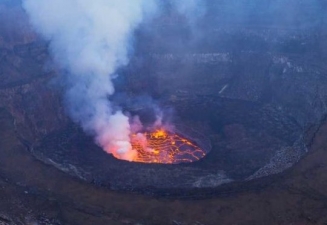
Mount Nyiragongo
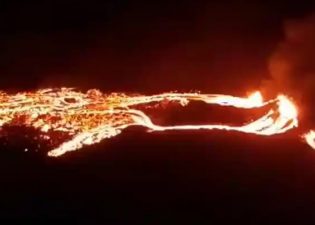
Mount Nyiragongo is an active stratovolcano located inside the Virunga National Park in the Democratic Republic of Congo. The African country witnessed volcanic eruption from this mountain for...Japan Trench
Japan Trench is part of the Pacific Ring of Fire and it is an oceanic trench situated in northeast of Japan. Recently, a team working on the Japan...Ceuta
Ceuta is a Spanish Autonomous City that is located in the North Coast of Africa and is bordered by Morocco. The official language of Ceuta is Spanish, but...Darwin Island
Darwin Islands is one of the smallest parts of the Galápagos Archipelago and its area is just one square kilometre. Darwin Islands have been named after English scientist...Guadeloupe
Guadeloupe is an archipelago in the Caribbean that comes under the overseas department and region of France. Guadeloupe consists of various uninhabited islands and six inhabited islands. In...Farzad-B Gas Field
Farzad-B Gas Field is an off-shore natural gas field that is situated 20kms away from Farsi Island in Iran. This gas field was discovered in 2008 by a...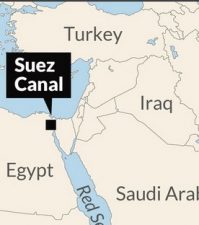
Suez Canal
The Suez Canal is one of the most important maritime waterways in the world, connecting the Mediterranean Sea with the Red Sea and thereby linking Europe to Asia...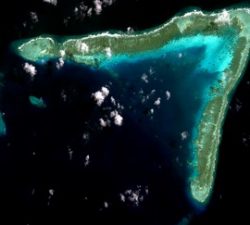
Whitsun Reef
Whitsun Reef is a boomerang shaped reef in the South China Sea. It is the largest of reefs in the Union Banks of Spratly Islands. It is contested...