Window of the World
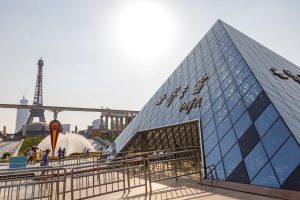
Window of the World is a renowned theme park located in Shenzhen, China, showcasing miniature replicas of some of the world’s most famous landmarks, cultural monuments, and natural wonders. Opened in 1993, the park represents a microcosm of global civilisation, offering visitors an opportunity to experience international architecture, art, and heritage in a single location. It is one of China’s most popular tourist destinations and a symbol of Shenzhen’s transformation into a modern, globally connected metropolis.
Location and Overview
Window of the World is situated in the Nanshan District of Shenzhen, in Guangdong Province, adjacent to other major attractions such as Splendid China Folk Village and Happy Valley Theme Park. Covering an area of approximately 48 hectares, the park features over 130 reproductions of world-famous landmarks from more than 50 countries.
The park’s design allows visitors to “travel around the world in a day,” exploring carefully crafted miniatures and cultural displays arranged by region. Divided into several thematic zones, the park combines education, entertainment, and cultural exchange, reflecting global diversity through artistic representation and modern technology.
Historical Background
The concept for Window of the World emerged in the late 1980s, during China’s period of economic reform and opening-up. Shenzhen, as one of the country’s first Special Economic Zones, became a symbol of modernisation and innovation.
The park was developed collaboratively by Shenzhen Overseas Chinese Town (OCT) Group, which envisioned it as a cultural and tourist landmark that would introduce international art, architecture, and history to Chinese visitors. It opened officially in June 1993 and quickly became a cultural icon of southern China, attracting millions of visitors annually.
Layout and Thematic Divisions
Window of the World is divided into multiple geographical and thematic sections, each featuring scaled-down reproductions of notable world landmarks. These sections are meticulously landscaped and complemented with cultural performances, multimedia exhibits, and themed rides.
Major zones include:
- Asia Zone: Displays landmarks such as Japan’s Mount Fuji, India’s Taj Mahal, and Cambodia’s Angkor Wat, representing the ancient civilisations and architectural heritage of Asia.
- Europe Zone: Features replicas of the Eiffel Tower, Leaning Tower of Pisa, St. Peter’s Basilica, and the Colosseum. The Eiffel Tower replica, standing 108 metres tall, is the park’s most prominent structure and an iconic feature of Shenzhen’s skyline.
- Africa Zone: Includes representations of the Great Pyramids of Giza, the Sphinx, and other monuments that reflect the continent’s cultural diversity.
- Americas Zone: Highlights Mount Rushmore, the Statue of Liberty, Chichen Itza, and Machu Picchu, representing both North and South American heritage.
- Oceania Zone: Displays cultural motifs from Australia, New Zealand, and the Pacific Islands.
- World Square: Serves as the central area, featuring statues, gardens, and stages where international festivals, concerts, and performances are held.
Each replica is built to scale—ranging from 1:1 recreations to 1:25 models—using authentic architectural materials where possible to maintain accuracy and realism.
Attractions and Features
Apart from miniature landmarks, Window of the World incorporates entertainment and educational facilities, making it a multifaceted destination for both leisure and learning.
Key attractions include:
- Eiffel Tower Observation Deck: Visitors can take an elevator to the top of the replica tower for panoramic views of Shenzhen city.
- Global Village Performances: Daily cultural shows feature traditional music, dance, and costumes from various countries.
- 4D Cinemas and Light Shows: Technological exhibits recreate experiences of natural wonders, such as volcanic eruptions or polar expeditions.
- World Carnival Events: The park hosts international festivals, including the Cherry Blossom Festival (Japan), Tulip Festival (Netherlands), and Brazilian Carnival.
- Recreational Rides: Adventure rides, artificial skiing, and water-based activities add to the amusement park atmosphere.
Cultural and Educational Significance
Window of the World serves as more than a tourist attraction—it is an educational and cultural showcase that fosters global awareness and cultural appreciation. For many visitors, it offers their first encounter with global art and architecture. The park’s integration of history, geography, and cultural studies makes it a popular destination for students and educators.
The park’s international design also reflects China’s growing engagement with the world during the reform era. It symbolises the country’s openness to foreign culture while expressing admiration for global civilisation.
Tourism and Economic Impact
Since its opening, Window of the World has become one of Shenzhen’s most visited tourist destinations, attracting millions of domestic and international visitors every year. It plays a significant role in the city’s tourism economy, contributing to the development of hotels, retail outlets, and transport infrastructure in the region.
The site’s accessibility—located near the Window of the World Metro Station—and proximity to Shenzhen’s business districts make it a convenient attraction for travellers and residents alike.
Events and Festivals
The park hosts several annual international festivals and exhibitions, including:
- International Beer Festival: Featuring global beer brands and live performances.
- World Dance and Music Carnival: Celebrating cultural traditions from around the world.
- New Year’s Eve Fireworks Show: One of Shenzhen’s most spectacular celebrations, centred around the illuminated Eiffel Tower.
These events promote cultural exchange and position the park as a global entertainment hub.
Architecture and Design
Window of the World’s architectural design combines modern Chinese landscaping with international styles, creating a harmonious environment that blends natural beauty with artistic craftsmanship. Pathways connect continents, allowing visitors to traverse from the Pyramids to the Eiffel Tower or from the Taj Mahal to Mount Rushmore within minutes.
Lighting, water features, and artistic sculptures enhance the aesthetic experience, especially at night, when the park transforms into a vibrant spectacle of light and colour.
Criticism and Interpretation
While widely popular, the park has occasionally faced criticism for commercialisation and cultural simplification. Some scholars argue that compressing world heritage into a single space risks reducing complex civilisations to tourist icons. Nevertheless, the park’s supporters view it as a creative means of promoting global understanding, especially for visitors who may not have the opportunity to travel abroad.
Legacy and Influence
Window of the World has inspired similar theme parks and miniature world exhibitions across China and other countries. It stands as a testament to China’s cultural curiosity and global vision in the post-reform era.
Beyond its entertainment value, the park reflects a broader narrative of China’s modernisation—its aspiration to connect with the world while showcasing domestic innovation in art, engineering, and design.
| Related | |
|---|---|