Why Circular Waste Management Is Becoming Central to India’s Urban Climate Future

At COP30 in Belém in November 2025, Brazil put waste firmly at the centre of the global climate conversation — a signal that cities, consumption and disposal can no longer remain peripheral to climate action. With new funding committed to curb methane through the ‘No Organic Waste’ (NOW) initiative and renewed emphasis on circularity, the spotlight has turned to how urban waste can be transformed from a liability into a resource. For India, grappling with exploding urban populations and mounting garbage, the message carries particular urgency.
How waste entered the climate mainstream at COP30
The COP30 discussions underscored a shift in climate thinking: waste is no longer just a sanitation problem, but a climate and public health issue. Organic waste decomposing in dumpsites is a major source of methane, a greenhouse gas far more potent than carbon dioxide in the short term. By backing the NOW initiative, countries acknowledged that cutting food and organic waste can deliver quick climate gains while improving urban air quality.
Equally significant was the recognition of circularity — keeping materials in use for as long as possible — as a pathway to inclusive growth. The idea resonated strongly with principles India had earlier advanced through “Mission LiFE”, articulated at COP26, which called for “deliberate utilisation instead of mindless consumption”.
Urban India’s waste challenge is no longer marginal
India’s cities are expanding at an irreversible pace. By 2030, urban areas are expected to generate around 165 million tonnes of waste annually; by 2050, as the urban population nears 814 million, this could rise to over 430 million tonnes. Alongside this growth comes an estimated 41 million tonnes of greenhouse gas emissions linked to waste handling.
The consequences are already visible. Many Indian cities, including those in the National Capital Region, rank among the world’s most polluted. Courts, regulators and governments have intervened repeatedly, but citizen frustration continues to grow. Cleanliness, once framed as an aesthetic concern, has become an existential necessity for health, climate resilience and economic productivity.
From Swachh Bharat to Garbage Free Cities
The success of the “Swachh Bharat Mission” in ending open defecation demonstrated that large-scale behavioural and infrastructural change is possible within defined timelines. Its urban successor has now set a more complex goal: creating Garbage Free Cities (GFCs) by 2026.
Under SBM Urban 2.0, about 1,100 towns and cities have been declared free of dumpsites. Yet being dump-free is not the same as being garbage-free. True freedom from waste requires systemic change — reducing waste generation, ensuring segregation at source, and recovering value through recycling, composting and energy generation. This is where the circular economy becomes central.
Organic waste, plastics and construction debris: three fronts of the battle
More than half of India’s municipal waste is organic, offering immediate opportunities for circular solutions. Composting — from household pits to large bio-methanation and compressed biogas plants — can convert wet waste into manure, green fuel and even electricity.
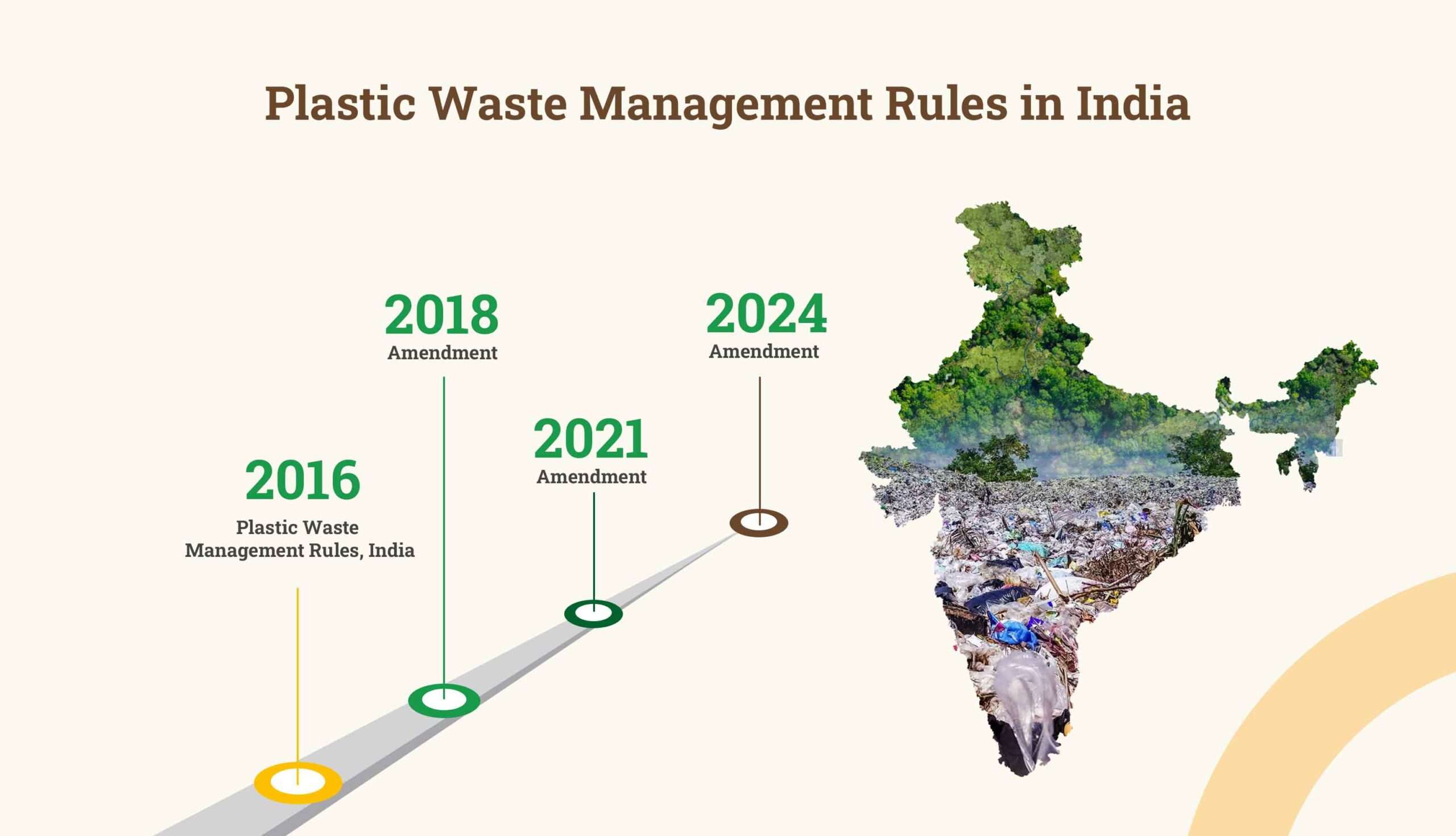
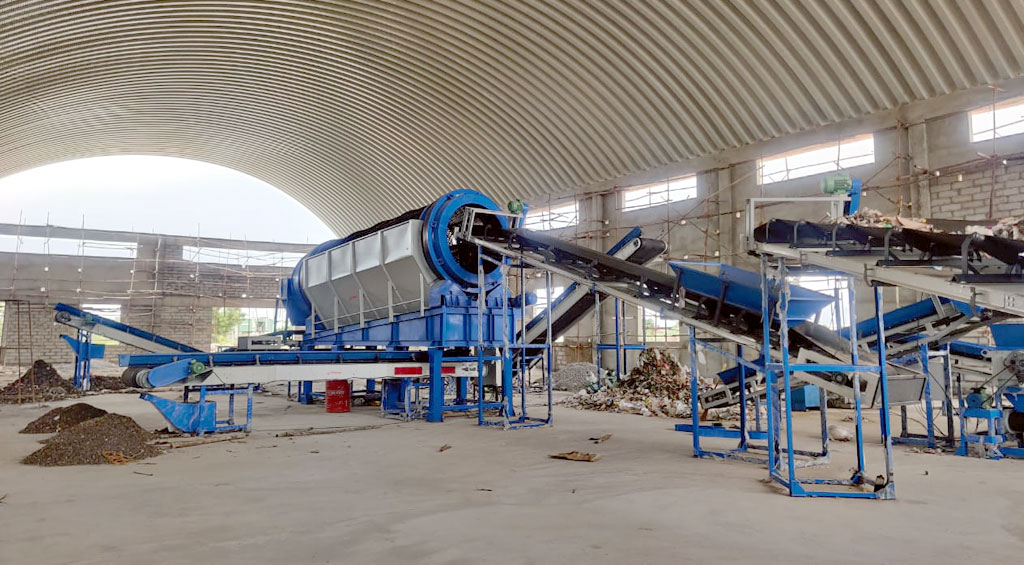
Dry waste presents tougher challenges. Plastics, in particular, pose environmental and health risks and are difficult to recycle without rigorous segregation. While material recovery facilities and refuse-derived fuel for cement and industry are expanding, market linkages and entrepreneurship remain underdeveloped.
Construction and demolition waste — around 12 million tonnes annually — is an equally visible urban spoiler. Illegal dumping clogs roads and drains, worsening pollution. Although much of this material can be reused as low-cost construction input, enforcement of the Construction and Demolition Waste Management Rules, 2016 has been uneven. The upcoming Environment (Construction and Demolition) Waste Management Rules, 2025, due to take effect in April 2026, aim to tighten accountability by charging bulk generators and improving traceability.


Wastewater and circularity beyond solid waste
Circularity extends beyond solid waste to wastewater and faecal sludge. With water scarcity intensifying, recycling and reuse for agriculture, horticulture and industry are no longer optional. Urban missions such as AMRUT and SBM have highlighted the link between water security and complete wastewater management, but implementation remains largely state-driven and uneven.
Given India’s limited freshwater reserves, treated wastewater reuse may be the only viable route to meeting future urban demand — turning a sanitation burden into a water resource.
Why circularity remains difficult despite policy intent
The obstacles are as much institutional as technical. Segregation at source is inconsistent, collection logistics are weak, and processing capacities lag behind waste generation. Recycled products often struggle with quality perceptions and market acceptance, undermining financial viability.
Extended Producer Responsibility has not yet covered all dry waste streams, while construction debris suffers from poor identification and enforcement. Coordination gaps between urban local bodies, environment departments and planning authorities further slow progress, compounded by limited municipal finances.
What lies ahead for India’s cities
Encouragingly, circularity is gaining political and policy traction. The endorsement of the ‘Cities Coalition for Circularity (C-3)’ by Asia-Pacific nations and recent national-level urban conclaves signal growing consensus. Yet success will ultimately depend on citizen participation — not just in recycling, but in reducing and reusing consumption in an increasingly consumerist society.
If supported by technology, private enterprise and credible policy enforcement, recycling could become the backbone of India’s urban circular economy. More importantly, it offers a realistic pathway for cities to escape the spiralling trap of waste, pollution and climate vulnerability — aligning urban development with both national priorities and global climate goals.
| Related | |
|---|---|