State-Wise Folk and Classical Dance Forms of India
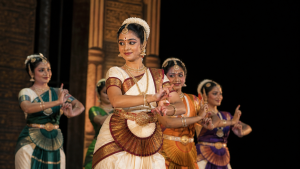
Dance forms in India are broadly classified into classical and folk traditions. Classical dances trace their theoretical foundations to the Natya Shastra, attributed to sage Bharata Muni, while folk dances reflect the agrarian cycles, religious rituals, tribal customs, and social festivities of regional communities across various states and union territories.

Classical Dances of India

Sangeet Natak Akademi Recognition
  • The Sangeet Natak Akademi, India’s national academy for music, dance, and drama, officially recognizes eight classical dance forms: Bharatanatyam, Kathak, Kathakali, Kuchipudi, Odissi, Sattriya, Manipuri, and Mohiniyattam.
  • The Ministry of Culture also includes Chhau in its list of classical dances, making it nine classical dance forms under its administrative purview.
  • Each classical style integrates Nritta (pure, unexpressive rhythmic movement), Nritya (expressive dance conveying themes through gestures), and Natya (dramatic storytelling incorporating speech and acting).
Core Characteristics of Classical Dance Forms
Classical Dance State of Origin Key Literary Texts / Basis Primary Feature / Performance Element
Bharatanatyam Tamil Nadu Natya Shastra, Abhinaya Darpana Ekaharya presentation where one dancer plays multiple roles; marked by Aramandi posture and Alarippu to Tillana sequence.
Kathak Uttar Pradesh Natya Shastra, Braj folklore Originates from village storytellers (Kathakars); characterized by rapid footwork (Tatkar), spins (Chakkars), and Gharana traditions (Lucknow, Jaipur, Banaras).
Kathakali Kerala Hastha Lakshana Deepika Stylized dance-drama featuring elaborate facial makeup (Vesham like Paccha, Kathi, Minukku) and prominent eye movements.
Mohiniyattam Kerala Natya Shastra, Balarama Bharatam Dance of the enchantress; soft, swaying torso movements (Lasya) performed solo in traditional white and gold Kasavu attire.
Kuchipudi Andhra Pradesh Natya Shastra, Bhamakalapam Traditionally performed by male groups (Bhagavathalu); features Tarangam where dancers perform while balanced on the edge of a brass plate.
Odissi Odisha Abhinaya Chandrika, Natya Shastra Evolved from temple Maharis; characterized by Tribhanga (three-bend posture) and Chowk (square geometric posture).
Sattriya Assam Ankiya Nat, Bhakti philosophy Introduced in the 15th century by Vaishnavite reformer Srimanta Sankardev within monastery complexes known as Sattras.
Manipuri (Jagoi) Manipur Govinda Sangitalikavali Centered on Radha-Krishna Raasleela themes; features smooth, undulating movements without ankle bells and distinctive cylindrical skirts (Kumil).
Chhau Eastern India (Jharkhand, West Bengal, Odisha) Epic and regional martial lore Martial dance form featuring three regional variations: Seraikella (masks), Purulia (large masks), and Mayurbhanj (performed without masks).

Folk and Tribal Dances Across Northern and Western India

Northern Region
  • Jammu and Kashmir: Rauf is a spring harvest dance performed by women in parallel rows; Hikat is performed by young girls holding hands in pairs; Kud is a ritualistic hill dance performed around campfires honoring local deities (Gramdevatas); Dumhal is performed exclusively by the men of the Wattal tribe wearing conical caps.
  • Ladakh: Jabro is performed by nomadic Changpa communities during Losar; Shondol is known as the royal dance of Ladakh performed for the king on auspicious occasions.
  • Himachal Pradesh: Nati is a continuous circle dance representing stories from Mahabharata; Chham is a ritualistic mask dance performed by Buddhist lamas in monasteries to ward off evil spirits; Dangi and Kayang are popular harvest folk styles.
  • Punjab: Bhangra is a vigorous male harvest dance associated with Baisakhi featuring instruments like Dhol and Chimta; Giddha is the female equivalent featuring clapping circles and rhythmic couplets (Boliyan); Sammi is a traditional tribal women’s dance; Kikli is performed by pairs of young girls twirling fast.
  • Haryana: Dhamal is an ancient dance tracing roots to the Mahabharata era, performed to the beat of the Daph; Phag is a celebratory agricultural dance performed during the month of Phalgun; Loor is performed exclusively by women during Holi; Gugga is performed by male devotees in honor of saint Gugga Pir.
  • Uttarakhand: Choliya is a traditional sword dance of the Kumaon region performed during wedding processions; Jhora is a communal circle dance performed during seasonal fairs; Baradanati is performed in the Jaunsar-Bawar region.
  • Uttar Pradesh: Raslila depicts the childhood and youth of Lord Krishna; Nautanki is a folk operatic theater and dance style; Charkula is a Braj region dance where women balance multi-tiered wooden pyramids holding 108 lit oil lamps on their heads; Kajari is performed during the monsoon season.
Western Region
  • Rajasthan: Ghoomar is a traditional women’s dance of the Bhil tribe later adopted by Rajput royalty, characterized by pirouetting in wide swirling skirts; Kalbelia is the serpent-like dance performed by the snake-charmer community; Bhavai involves women balancing seven to nine brass or earthen pots on their heads while balancing on glass edges or swords; Chari is performed by Gujjar women holding lit brass pots; Kachhi Ghodi is a dummy-horse mock-fight dance from the Shekhawati region; Terah Taali is performed by the Kamad community using thirteen cymbals tied across the body.
  • Gujarat: Garba is a devotional circle dance performed during Navratri around a perforated earthen lamp (Garbha Deep); Dandiya Raas is an energetic stick dance depicting the mock battle between Goddess Durga and Mahishasura; Bhavai is a folk theater-dance form; Tippani is performed by women in the Saurashtra region using wooden sticks to beat the floor.
  • Maharashtra: Lavani is a high-tempo rhythmic dance set to the beats of the Dholki, traditionally performed by women in nine-yard sarees (Nauvari); Koli is the traditional dance of coastal fishermen communities; Dhangari Gaja is performed by the shepherd community of Solapur; Lezim is a physical fitness and drill dance using small metal-jingling instruments.
  • Goa: Fugdi is performed by women during Ganesh Chaturthi and Dhalo festivals; Dekhni combines Western and Indian classical melody; Tarangamel is the youth folk dance of Dussehra using streamers; Dhangar is a devotional shepherd dance.

Folk and Tribal Dances Across Central and Eastern India

Central Region
  • Madhya Pradesh: Matki is a solo pot-balancing dance performed by women in the Malwa region; Jawara is a harvest dance of Bundelkhand where baskets full of jowar shoots are balanced on heads; Gaur Maria of the Bastar plateau (historically undivided MP) features headdresses made of bison horns; Grida is performed during winter when rabi crops start blooming.
  • Chhattisgarh: Panthi is a devotional dance of the Satnami community depicting the life and teachings of Guru Ghasidas; Raut Nacha is performed by the Yadav cowherd community during Diwali; Saila is a post-harvest stick dance; Karma is performed during the tribal Karma festival worshipping the holy Karam tree.
Eastern Region
  • Bihar: Bidesia is a popular folk theater and dance created by Bhikhari Thakur depicting the plight of migrant laborers and their families; Jat-Jatin is performed by women on moonlit monsoon nights to depict the relationship and quarrels of a married couple; Jhijhiya is a prayer dance performed during droughts where women balance lanterns on their heads; Domkach is performed in the groom’s house by female relatives during wedding nights.
  • Jharkhand: Jhumar is a traditional harvest and social dance performed by tribal and non-tribal groups; Paika is a high-energy martial dance performed by male dancers holding shields and swords; Chhau (Seraikella style) uses refined symbolic masks.
  • West Bengal: Baul dance and music is practiced by the mystic wandering minstrels of the Baul tradition; Brita (or Vrata) is an invocation dance performed by women seeking recovery from illnesses; Gambhira is a devotional dance-drama dedicated to Lord Shiva; Santhali is a synchronized group dance of the Santhal tribe.
  • Odisha: Gotipua is performed by young boys dressed as women to praise Lord Jagannath, serving as the historical precursor to modern Odissi; Dalkhai is a popular festival dance from Sambalpur performed during Dussehra; Ghumura is a traditional martial and drum dance of Kalahandi; Ranappa is a stilt dance performed in the Ganjam district.

Folk and Tribal Dances Across Southern and North-Eastern India

Southern Region
  • Andhra Pradesh: Dhimsa is an official tribal chain dance performed by the Porja tribe in the Araku Valley; Kolannalu (Kolattam) is a rhythmic stick dance; Veeranatyam is a devotional dance dedicated to Lord Shiva performed in Draksarama temples; Burra Katha is a dynamic storytelling art form.
  • Telangana: Perini Sivatandavam is an ancient martial dance revived from Kakatiya temple sculptures; Bathukamma is a floral festival dance performed by women circling artistic flower arrangements.
  • Karnataka: Yakshagana is a traditional theater and dance-drama featuring vibrant costumes, elaborate headgear (Muguta), and improvised dialogue; Dollu Kunitha is a high-energy drum dance of the Kuruba community; Kamsale is a rhythmic brass-cymbal devotional dance of Mahadeshwara devotees; Goravara Kunitha is performed by Shiva-worshipping mendicants wearing black woolen attire and bearskin caps.
  • Tamil Nadu: Karagattam is a balancing dance where brass pots filled with water and decorated with flowers are placed on heads to honor Mariamman; Kavadi Aattam is an offering dance performed by Murugan devotees carrying decorated wooden canopies; Kummi is a simple circular clapping dance without musical instruments; Mayil Attam is the peacock dance performed in honor of Lord Murugan.
  • Kerala: Theyyam is a ritualistic temple art and spirit-possession dance of North Malabar with towering face and head decorations; Padayani is a martial folk dance performed in Bhadrakali temples using large masks made from areca palm sheets (Kolams); Koodiyattam is Sanskrit temple theater recognized by UNESCO; Chakyar Koothu is a solo socio-religious monologue performance.
North-Eastern Region
  • Assam: Bihu is an energetic seasonal dance marking the Assamese New Year (Rongali Bihu) characterized by rapid hand movements and brisk steps; Bagurumba is the butterfly-mimicking folk dance of the Bodo tribe; Bhur Tal is a cymbal dance developed in the Barpeta region.
  • Manipur: Thang-Ta is a martial art and dance form involving swords and spears; Lai Haraoba is a ritualistic festival dance honoring ancestral forest deities (Umang Lai); Pung Cholom is an acrobatic drum dance where performers play the Pung while leaping.
  • Nagaland: Chang Lo (or Sua Lua) is a victory dance of the Chang tribe; Monyo Asho is performed by the Phom Naga community during the Phom Day festival; Hornbill Festival dances showcase the distinct war dances of all 17 recognized Naga tribes.
  • Mizoram: Cheraw (Bamboo Dance) is performed where dancers step in and out of rhythmic grids of clapping bamboo poles; Khuallam is a traditional community welcome dance for honored guests; Chheihlam is an evening celebratory dance.
  • Tripura: Hojagiri is performed by the Reang (Bru) community where young women balance bottles and lamps on their heads while moving only the lower half of their bodies; Garia is an agricultural prosperity dance.
  • Meghalaya: Shad Suk Mynsiem is a harvest thanksgiving festival dance of the Khasi tribe; Nongkrem Dance is performed by the Khasi royals at Smit; Wangala Dance is the 100-drum festival dance of the Garo community honoring the Sun God Saljong.
  • Arunachal Pradesh: Ponung is the traditional celebratory dance of the Adi tribe; Bardo Chham depicts the victory of good over evil based on stories of animal forms; Wancho is an energetic tribal dance of the Longding area.
  • Sikkim: Singhi Chham (Snow Lion Dance) celebrates the sacred mountain peak of Kangchenjunga; Yak Chham honors the mountain yak; Maruni is an ancient Nepali community dance popular during Diwali.

UNESCO Intangible Cultural Heritage Inscriptions

Art Form / Tradition Year of Inscription Primary State / Region Domain
Koodiyattam 2008 Kerala Sanskrit Temple Theater and Dance
Ramlila 2008 Northern India Traditional Performance of the Ramayana
Vedic Chanting 2008 Pan-India Oral Chanting Traditions
Ramman 2009 Uttarakhand (Garhwal) Religious Festival and Ritual Theater of Saloor Dungra
Chhau Dance 2010 Jharkhand, West Bengal, Odisha Classical / Folk Martial Dance
Kalbelia 2010 Rajasthan Folk Songs and Dances of Snake Charmers
Mudiyettu 2010 Kerala Ritual Theater and Dance Drama of Kali
Sankirtana 2013 Manipur Ritual Singing, Drumming, and Dancing
Garba of Gujarat 2023 Gujarat Navratri Devotional Folk Dance

Facts

  • Sage Bharata Muni’s Natya Shastra and Nandikeshvara’s Abhinaya Darpana form the theoretical foundation for Indian classical dances.
  • Rukmini Devi Arundale revived Bharatanatyam in the 1930s by establishing the Kalakshetra academy at Chennai.
  • Vallathol Narayana Menon revived Kathakali and Mohiniyattam by establishing the Kerala Kalamandalam in 1930.
  • Madam Menaka (Leila Sokhey) played an important role in revitalizing Kathak as a concert art form on international stages during the 1930s.
  • Guru Bipin Singh is widely regarded as the father of modern Manipuri dance revival.
  • Srimanta Sankardev created Sattriya in the 15th century as an accompaniment to his one-act plays called Ankiya Nats.
  • Chhau dance has three distinct regional sub-styles: Purulia Chhau (West Bengal), Seraikella Chhau (Jharkhand), and Mayurbhanj Chhau (Odisha, which uses no masks).
  • Kalbelia folk dance of Rajasthan was inscribed on the UNESCO Representative List of Intangible Cultural Heritage in 2010.
  • Garba of Gujarat became the 15th element from India to be inscribed on the UNESCO Intangible Cultural Heritage list in December 2023.
  • Hojagiri dance of Tripura requires performers to balance an oil lamp on a bottle placed over their heads while keeping the upper torso completely still.
  • Cheraw dance of Mizoram requires precise timing to step between crossed bamboo sticks tapped against the ground.
  • Gotipua is an Odishan tradition where young boys dress in female attire to perform acrobatics in service of Lord Jagannath.
  • Perini Sivatandavam is a Kakatiya-era warrior dance of Telangana revived using historical carvings inside the Ramappa Temple.
  • The Sangeet Natak Akademi functions as an autonomous organization under the Ministry of Culture, Government of India.
Originally written on December 19, 2015 and last modified on August 18, 2026.

Leave a Reply

Your email address will not be published. Required fields are marked *