Major Folk and Classical Dance Forms of India
Introduction
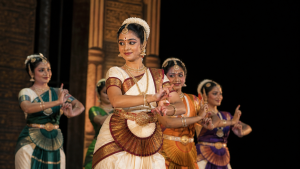
Indian dance forms are broadly divided into classical and folk traditions. Classical styles are rooted in the Natya Shastra and related treatises, while folk dances reflect seasonal cycles, rituals, tribal life and community celebrations across India.
For Prelims revision, it is useful to remember the official classical list, the key stylistic features, and the major regional folk dances associated with each state.
Classical Dances and Official Recognition
The Sangeet Natak Akademi officially recognizes eight classical dance forms: Bharatanatyam, Kathak, Kathakali, Kuchipudi, Odissi, Sattriya, Manipuri and Mohiniyattam. The Ministry of Culture also includes Chhau in its list, taking the administrative count to nine classical dance forms.
All classical traditions combine three core elements:
- Nritta: pure rhythmic movement without narrative content.
- Nritya: expressive dance using gestures and facial expression.
- Natya: dramatic storytelling with speech, acting and mime.
| Dance form | State/Region | Key feature |
| Bharatanatyam | Tamil Nadu | Based on Natya Shastra and Abhinaya Darpana; known for Aramandi, Alarippu to Tillana sequence, and Ekaharya presentation. |
| Kathak | Uttar Pradesh | Linked to storyteller tradition of Kathakars; known for tatkar, chakkars and gharanas such as Lucknow, Jaipur and Banaras. |
| Kathakali | Kerala | Stylized dance-drama based on Hastha Lakshana Deepika; noted for elaborate makeup and intense eye movements. |
| Mohiniyattam | Kerala | Soft, swaying lasya style; traditionally performed solo in white and gold Kasavu attire. |
| Kuchipudi | Andhra Pradesh | Traditionally performed by male groups; famous for Tarangam, where dancers balance on a brass plate. |
| Odissi | Odisha | Evolved from temple Maharis; recognized by Tribhanga and Chowk postures. |
| Sattriya | Assam | Introduced in the 15th century by Srimanta Sankardev in monastic Sattras. |
| Manipuri | Manipur | Centered on Radha-Krishna Raasleela; smooth movements and cylindrical skirt Kumil. |
| Chhau | Eastern India | Martial form with three styles: Seraikella, Purulia and Mayurbhanj. |
Folk and Tribal Dances of the Northern Region
- Jammu and Kashmir: Rauf is a spring harvest dance by women in parallel rows.
- Jammu and Kashmir: Hikat is performed by young girls holding hands in pairs.
- Jammu and Kashmir: Kud is a ritual hill dance performed around campfires in honour of local deities.
- Jammu and Kashmir: Dumhal is performed only by men of the Wattal tribe wearing conical caps.
- Ladakh: Jabro is performed by Changpa nomads during Losar.
- Ladakh: Shondol is known as the royal dance of Ladakh and is performed on auspicious occasions.
- Himachal Pradesh: Nati is a continuous circle dance linked to stories from the Mahabharata.
- Himachal Pradesh: Chham is a ritual mask dance by Buddhist lamas performed in monasteries to ward off evil spirits.
- Punjab: Bhangra is a vigorous male harvest dance associated with Baisakhi and instruments like Dhol and Chimta.
- Punjab: Giddha is the female counterpart, marked by clapping circles and Boliyan.
- Haryana: Dhamal traces its roots to the Mahabharata era and is performed to the beat of the Daph.
- Uttarakhand: Choliya is a sword dance of Kumaon performed during wedding processions.
- Uttar Pradesh: Raslila depicts the childhood and youth of Lord Krishna.
- Uttar Pradesh: Charkula features women balancing multi-tiered wooden pyramids with 108 lit oil lamps.
Western and Central Folk Traditions
- Rajasthan: Ghoomar is a women’s dance marked by pirouettes in swirling skirts.
- Rajasthan: Kalbelia is the serpent-like dance of the snake-charmer community.
- Rajasthan: Bhavai involves women balancing seven to nine pots on the head while standing on glass edges or swords.
- Rajasthan: Chari is performed by Gujjar women carrying lit brass pots.
- Rajasthan: Kachhi Ghodi is a dummy-horse mock-fight dance from Shekhawati.
- Rajasthan: Terah Taali is performed by the Kamad community using thirteen cymbals tied across the body.
- Gujarat: Garba is a devotional circle dance during Navratri around a perforated earthen lamp called Garbha Deep.
- Gujarat: Dandiya Raas depicts the mock battle between Goddess Durga and Mahishasura.
- Gujarat: Tippani is performed by women in Saurashtra using wooden sticks to beat the floor.
- Maharashtra: Lavani is a high-tempo dance performed to the Dholki, traditionally in nine-yard Nauvari sarees.
- Maharashtra: Koli is associated with coastal fishing communities.
- Goa: Fugdi is performed by women during Ganesh Chaturthi and Dhalo festivals.
- Goa: Dekhni blends Western and Indian classical melody.
Important Dance Forms of the East, South and Tribal Belt
- Odisha: Apart from the classical Odissi, many regional folk traditions are linked to temple and harvest celebrations.
- Assam: Sattriya remains a major classical tradition rooted in Vaishnavite monastic culture.
- Manipur: Manipuri is notable for graceful movements, devotional themes and the use of the Kumil costume.
- Chhau: The three regional variants are distinct in style, especially the use of masks in Seraikella and Purulia.
- Kerala: Kathakali and Mohiniyattam together represent the state’s rich classical heritage.
- Andhra Pradesh: Kuchipudi combines dramatic narrative, rhythm and balance-based sequences.
- Tamil Nadu: Bharatanatyam is known for its disciplined geometry, expressiveness and temple origins.
Key Prelims Takeaways
- Classical dances: Sangeet Natak Akademi recognizes eight forms; the Ministry of Culture includes Chhau as well.
- Theoretical base: The classical tradition is linked to the Natya Shastra.
- Three components: Nritta, Nritya and Natya are the core performance categories.
- Bharatanatyam: Remember Aramandi, Ekaharya and the sequence from Alarippu to Tillana.
- Kathak: Key markers are tatkar, chakkars and gharanas.
- Odissi: Identify Tribhanga and Chowk as signature postures.
- Folk dances: Harvest, ritual, devotional and martial traditions dominate regional dance forms.
- Rajasthan and Gujarat: These states are especially rich in high-recognition Prelims dances such as Ghoomar, Kalbelia, Garba and Dandiya Raas.
| Related | |
|---|---|