Sin Tax
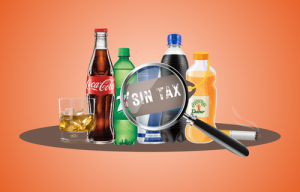
A sin tax is a type of excise tax levied on goods and services that are considered harmful to individuals or society, such as alcohol, tobacco, gambling, sugary drinks, and certain luxury items. The primary purpose of a sin tax is not only to generate government revenue but also to discourage the consumption or use of such products by making them more expensive. It represents a blend of economic policy and public health intervention, aiming to modify consumer behaviour while funding welfare or healthcare programmes.
Concept and Definition
The term “sin tax” is derived from the notion of taxing products associated with social vices or “sins.” It is a Pigovian tax, named after economist Arthur Pigou, who proposed that governments should impose taxes to correct for negative externalities—costs imposed on society by individual consumption.
In economic terms, a sin tax internalises the external cost of harmful goods. For example, smoking causes health problems that burden public healthcare systems, and alcohol abuse contributes to accidents and crime. By raising the price of these goods, governments attempt to reduce their demand and offset the societal costs they impose.
Objectives of a Sin Tax
- Public Health Improvement: To discourage consumption of products that lead to diseases such as cancer, liver failure, or obesity.
- Revenue Generation: To raise funds for government programmes, particularly those related to healthcare, education, and addiction treatment.
- Correcting Market Failures: To reflect the true social cost of consumption, thereby aligning private and public interests.
- Behavioural Change: To nudge consumers towards healthier or more socially responsible choices.
- Environmental and Social Welfare: In some cases, sin taxes are used to discourage environmental damage (e.g., carbon tax) or socially undesirable practices.
Common Products Subject to Sin Tax
Sin taxes typically apply to goods with negative externalities. Common examples include:
- Tobacco products: Cigarettes, cigars, and smokeless tobacco.
- Alcoholic beverages: Beer, wine, spirits, and liquor.
- Sugary drinks and junk food: To combat obesity and diabetes.
- Gambling and betting: Both online and physical establishments.
- Luxury goods and entertainment: In some jurisdictions, luxury cars, fireworks, or adult entertainment may also attract sin taxes.
- Environmental “sins”: Pollution-producing activities, such as carbon emissions, are sometimes targeted through environmental excise taxes.
Mechanism of a Sin Tax
Sin taxes are usually imposed as excise duties, meaning they are levied per unit of the product (e.g., per cigarette pack or per litre of alcohol) rather than as a percentage of the retail price. Governments set tax rates high enough to influence consumption while balancing the need for stable revenue.
The tax burden is typically passed on to consumers through higher prices. According to the law of demand, when prices rise, consumption tends to fall, particularly for products with high price elasticity (i.e., sensitive to price changes).
Sin Tax in India
In India, sin taxes form part of both central and state-level taxation systems. With the introduction of the Goods and Services Tax (GST) in 2017, many excise duties were subsumed, but products such as alcohol and petroleum remain outside GST’s ambit, allowing states to continue imposing their own taxes.
Key examples in India include:
- Tobacco and Cigarettes: Subject to high excise duties and a compensation cess under GST.
- Alcohol: States impose varying excise duties, making alcohol a major source of state revenue.
- Aerated Beverages (Sugary Drinks): Attract an additional GST compensation cess.
- Pan Masala and Gutkha: Subject to heavy excise and GST rates.
Revenue from these taxes contributes significantly to state budgets, particularly in states where liquor sales are a major source of income.
Economic and Social Advantages
- Health Benefits: Reduces the prevalence of diseases linked to smoking, drinking, and poor diet.
- Revenue for Welfare: Funds can be directed towards public health schemes, rehabilitation centres, and awareness campaigns.
- Discouragement of Harmful Behaviour: Higher prices deter excessive consumption, especially among youth and low-income groups.
- Compensation for Social Costs: Offsets the burden on healthcare, policing, and social welfare systems caused by substance abuse.
- Promotion of Responsible Consumption: Encourages moderation rather than prohibition, maintaining individual choice while guiding behaviour.
Criticisms and Challenges
While sin taxes have policy appeal, they are not free from controversy and criticism:
- Regressive Nature: Sin taxes disproportionately affect lower-income individuals, who spend a larger share of their income on such goods.
- Revenue Dependence: Governments may become reliant on sin tax revenues, creating a paradox where public finances depend on continued consumption of harmful products.
- Ineffectiveness for Addictive Goods: Addictive behaviours often show low price elasticity, meaning higher prices may not significantly reduce consumption.
- Smuggling and Black Markets: Excessive taxation can encourage illegal trade and counterfeit production.
- Moral and Ethical Debate: Critics argue that governments should not moralise consumption choices or impose paternalistic policies.
- Limited Use of Funds: In many cases, the revenue raised is not earmarked for health or welfare programmes, weakening the moral justification for such taxes.
Global Examples
- United Kingdom: Imposes high excise taxes on alcohol and tobacco to support healthcare funding.
- United States: Several states levy additional taxes on cigarettes and soda to curb obesity and smoking.
- Philippines: Implemented a successful Sin Tax Reform Act (2012), using revenue to fund universal healthcare programmes.
- Thailand and South Africa: Levy sin taxes on sugary drinks as part of their national health policies.
- Nordic Countries: Tax alcohol and tobacco heavily, but integrate revenue into strong public welfare systems.
These examples demonstrate that the effectiveness of sin taxes depends on policy design, public awareness, and enforcement mechanisms.
Economic Theory and Policy Debate
Economists classify sin taxes under Pigovian taxation, aimed at correcting market failures caused by negative externalities. The success of such a tax depends on:
- Accurate estimation of the social cost of the harmful good.
- Effective enforcement to prevent evasion.
- Availability of healthier substitutes (e.g., diet drinks, cessation aids).
- Integration with broader health education and regulation.
Policymakers often combine sin taxes with non-fiscal measures—like advertising bans, plain packaging, and health warnings—to maximise behavioural impact.
Sin Tax and Sustainable Development
Sin taxes support several Sustainable Development Goals (SDGs), including:
- SDG 3: Good health and well-being (reducing non-communicable diseases).
- SDG 12: Responsible consumption and production.
- SDG 13: Climate action (through environmental excise taxes).
| Related | |
|---|---|